This thesis examines the layered experience of fourth-generation Punjabi life in Tāmaki Makaurau, situating it within the broader diasporic nature of identity shared by many immigrant communities in Aotearoa. Anchored in histories of Punjabi migration dating back to the 1920s and shaped by intergenerational contrasts between those born here and those arriving more recently, the work examines how cultural memory is fragmented, reassembled, and carried forward across time.
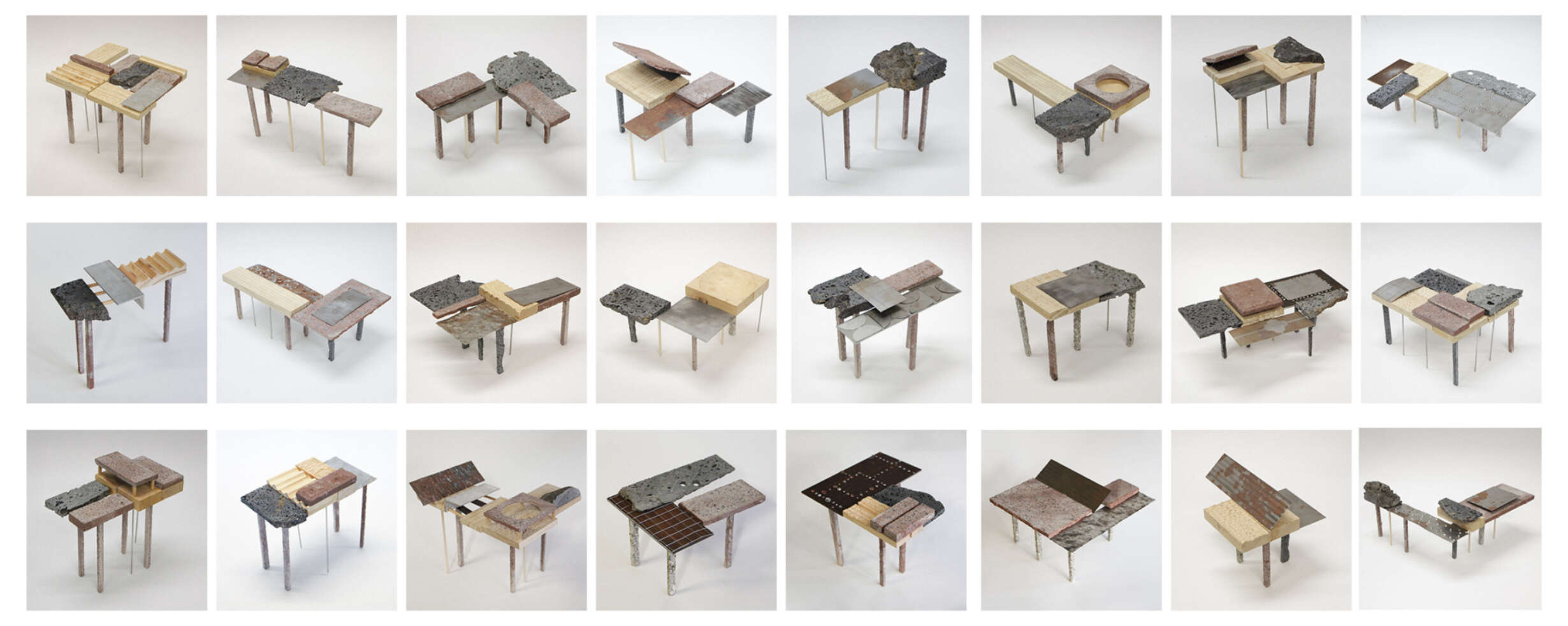
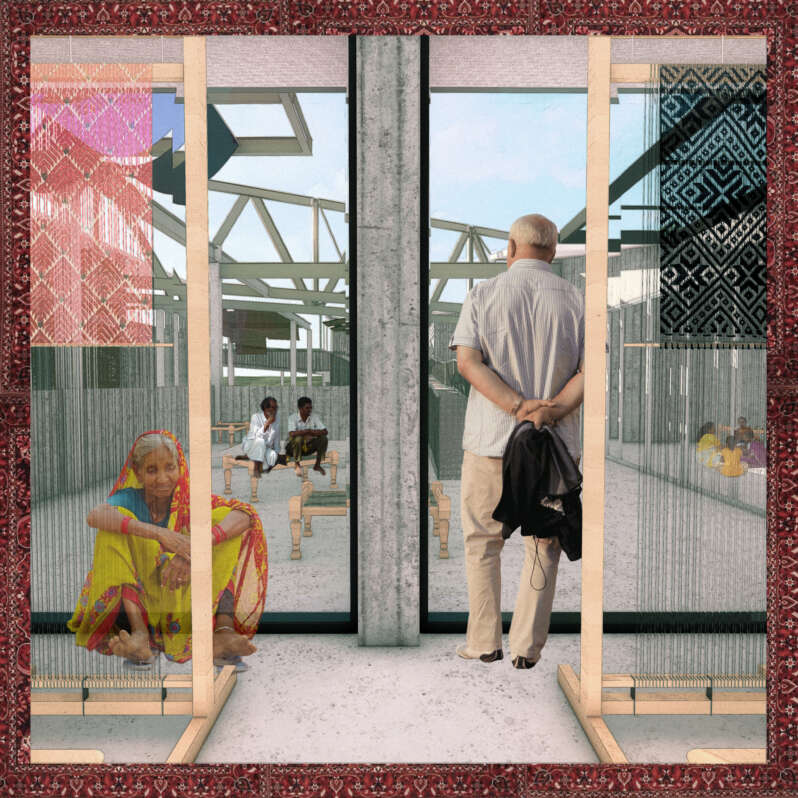
The research investigates how diasporic identity is transmitted through spatial practice, material culture, and intangible knowledge. It frames identity as an assemblage, continuously built, deconstructed, and rebuilt in response to shifting geographies and cultural contexts. Two key conceptual anchors guide this exploration: the Māori kete, symbolising the carrying and sharing of knowledge, and the Punjabi charpai, a woven domestic object embodying communal, everyday, and symbolic functions. These artefacts operate as both design metaphors and methodological tools, creating a dialogue between tangible form and intangible inheritance.
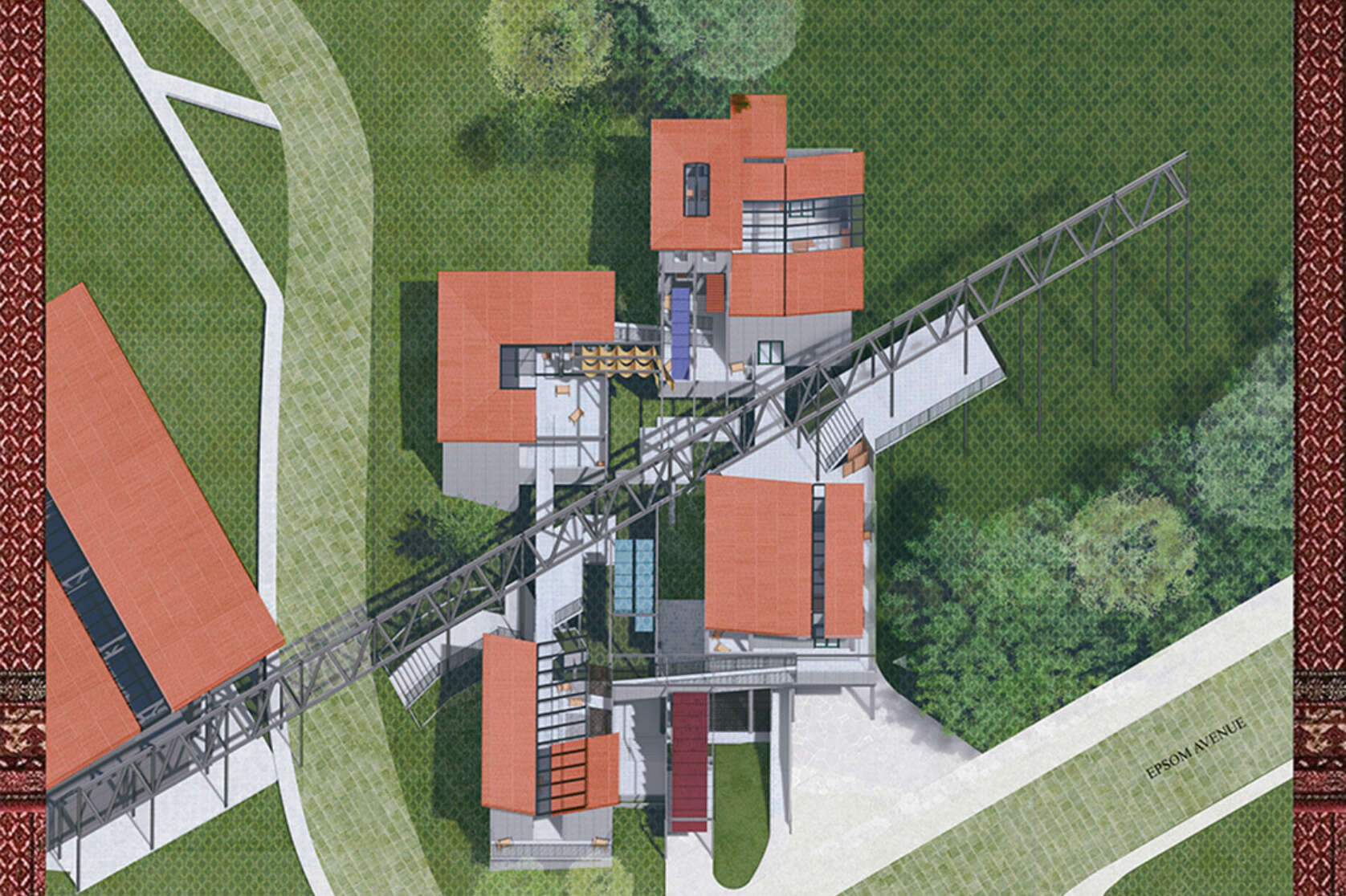
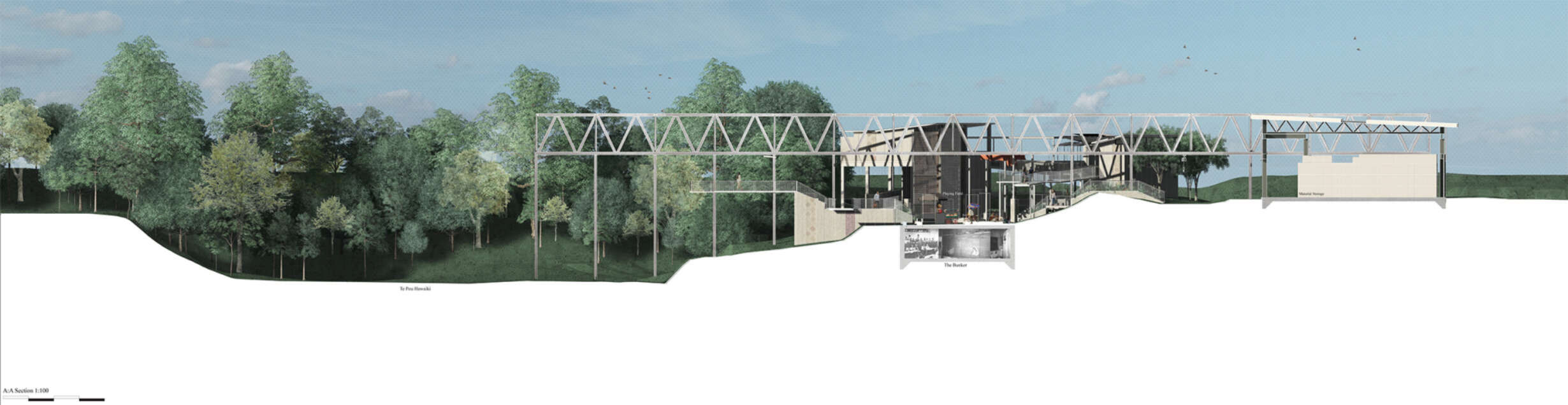
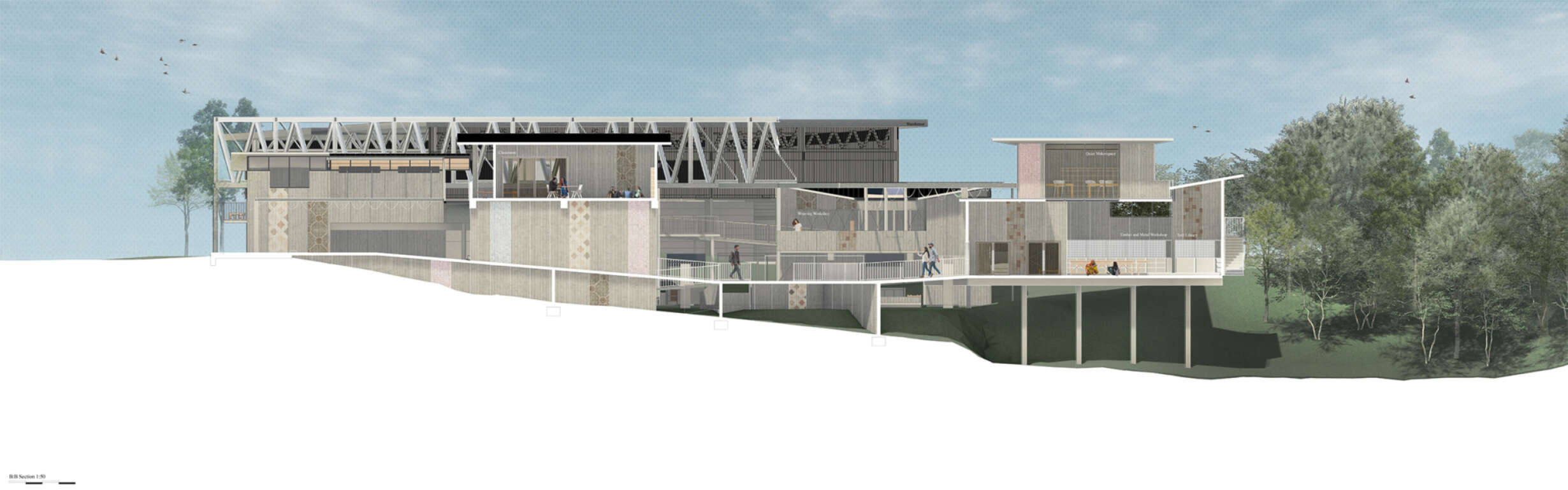
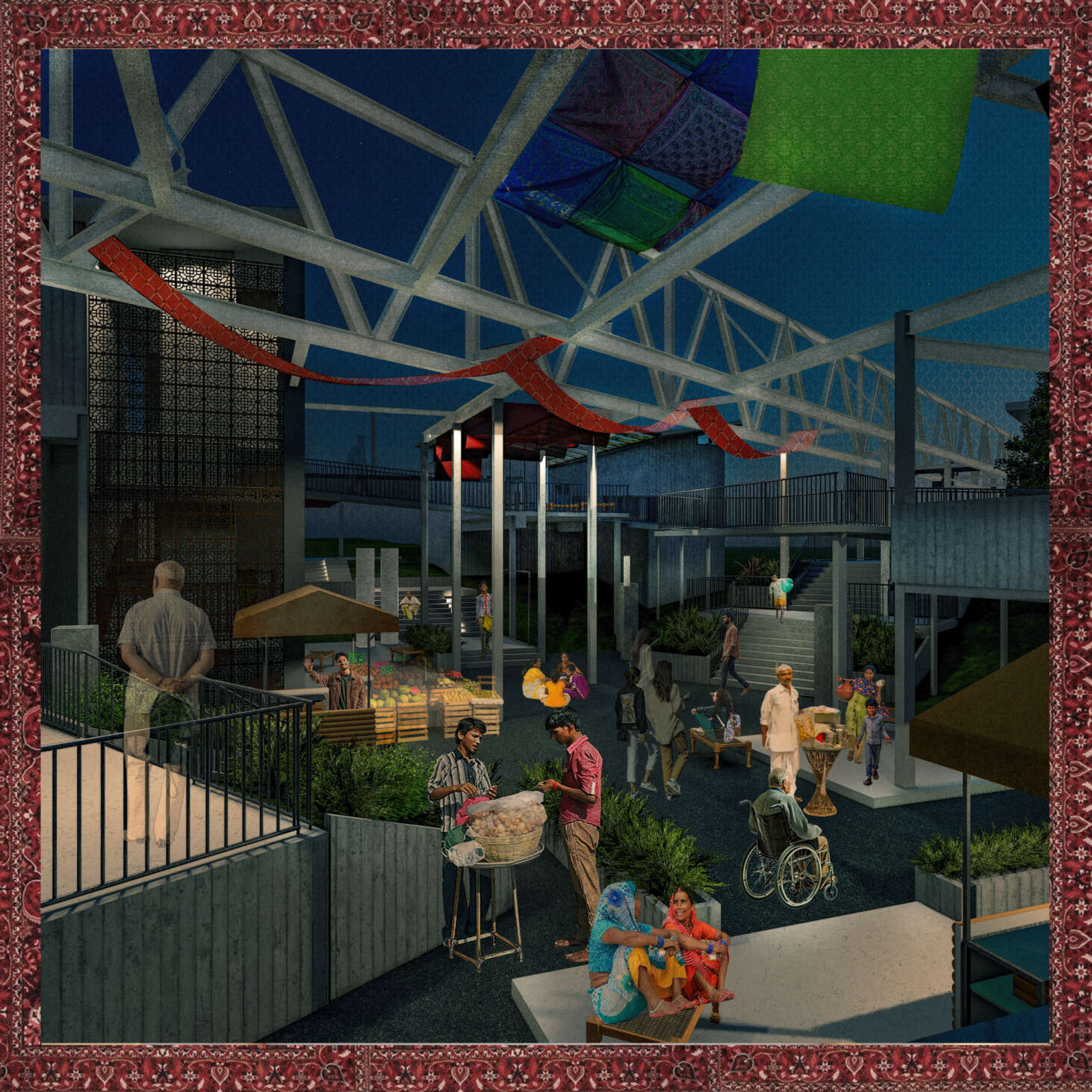
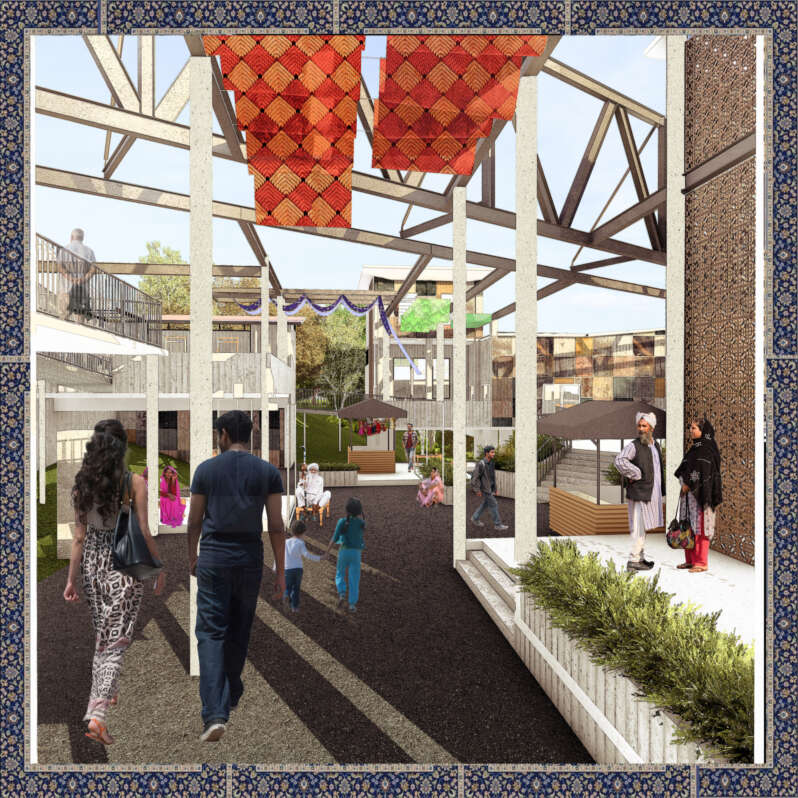
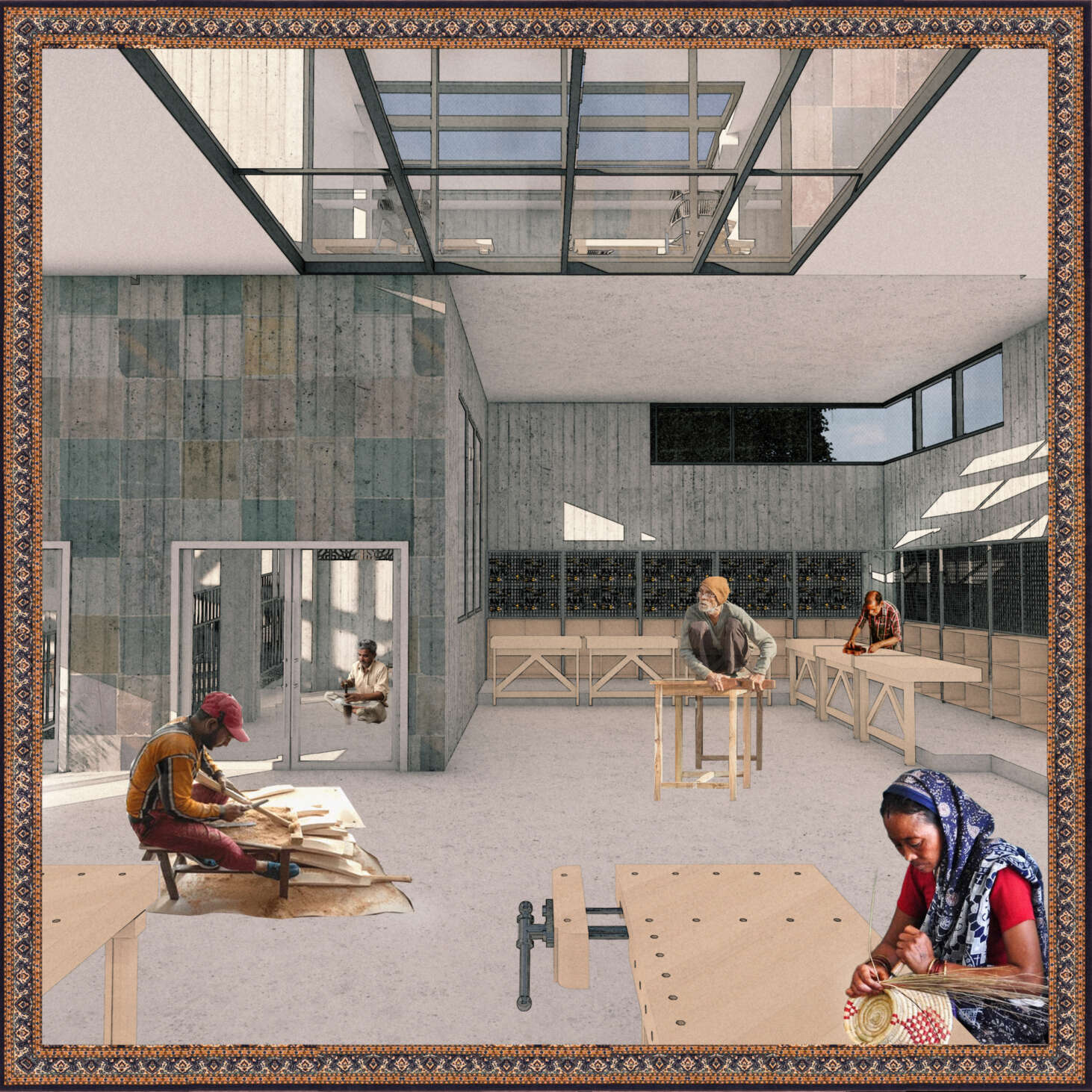
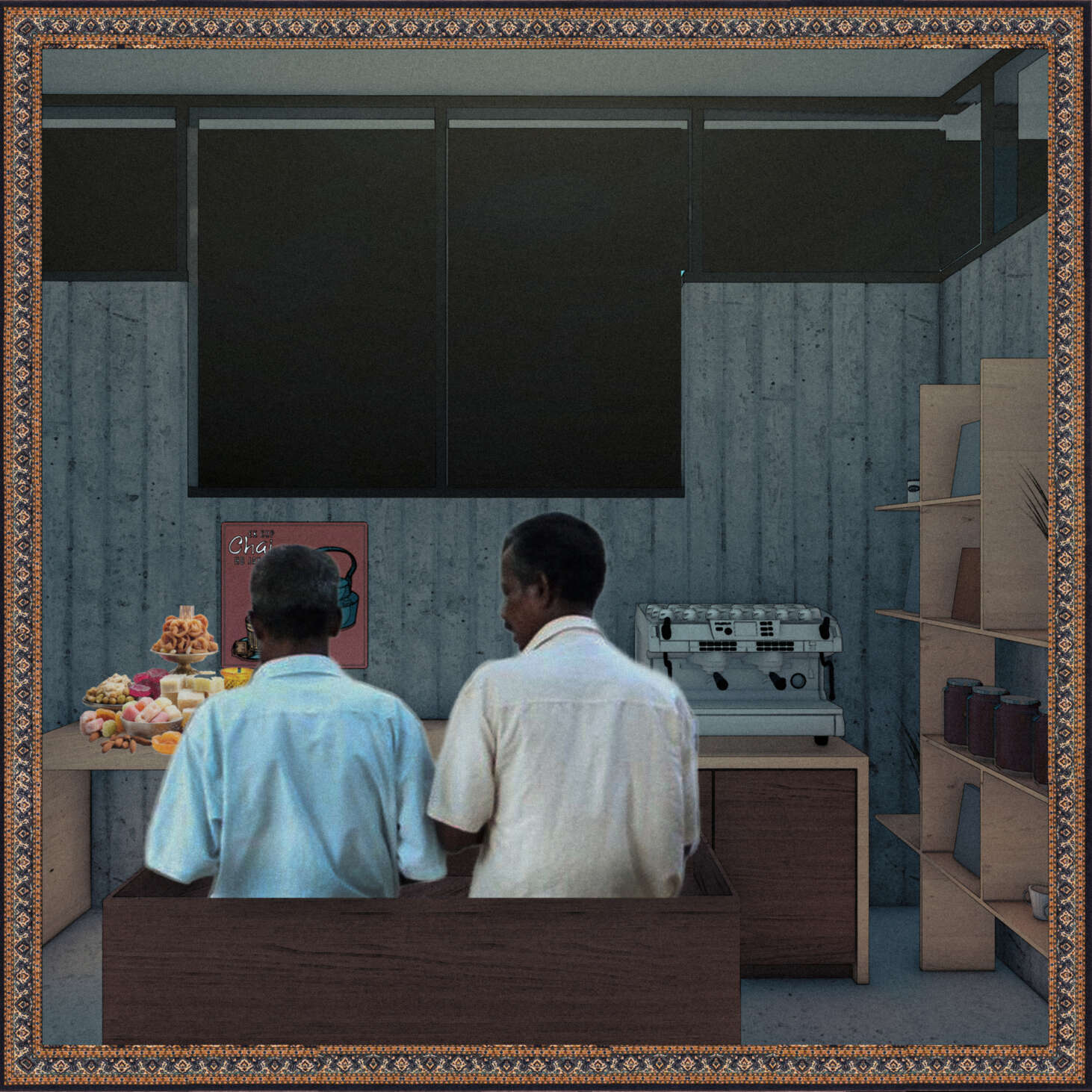
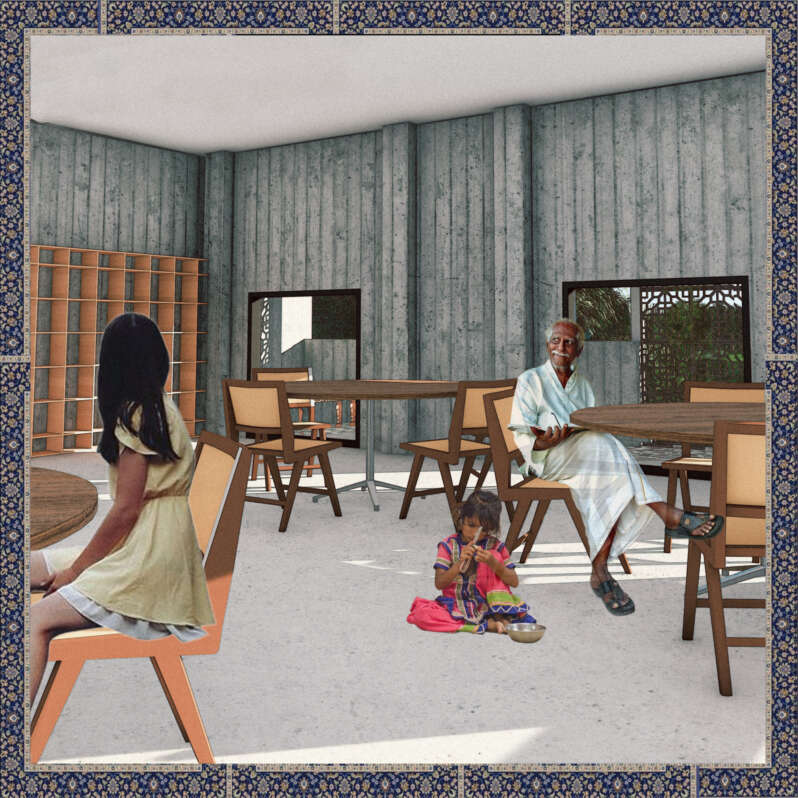
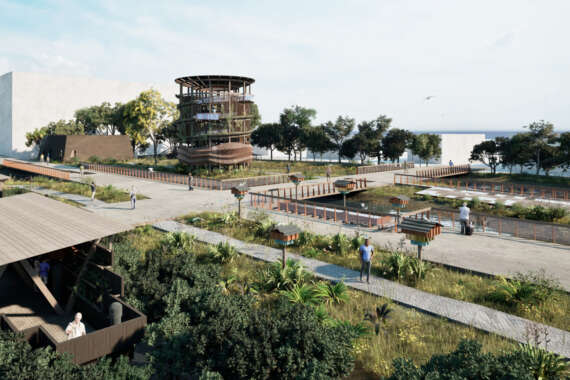
The resulting architecture is a community centre and learning facility for Auckland’s Punjabi community, emerging from iterative design research that engages with weaving, mosaic ground conditions, and fragmented roof structures as expressions of hybrid identity. The project draws on indigenous pedagogies, mobile architectures, and community-based storytelling to propose spatial frameworks where lived experience itself becomes a mode of cultural transmission.
By situating architecture within the politics of place, memory, and imagination, the thesis argues that design serves as a vessel for diasporic identity, one that preserves craft traditions while facilitating their transformation and evolution. The research contributes to ongoing discourse on diaspora, the sustainability of intangible heritage, and the role of architecture in mediating between continuity and change.