Perceptual Collapse: Designing for Perception

Angel Fong

[email protected]
Collapse min
Perception as a Collapse Mechanism

This thesis positions perception as a mechanism which is not a passive receiver of architectural form, but instead actively generates the realities we experience. While architecture is often understood as a fixed and predetermined structure, this thesis reframes it as a perceptual event that emerges through embodied, multisensory engagement. Building on theories of phenomenology, cognition, and embodied experience, the thesis proposes a design methodology that uses perception itself as a generative tool. Through a series of perceptual experiments, this research investigates how location, proximity, scale, and movement can be orchestrated to shape the collapse of multiple spatial potentialities into lived experience. It explores how architects can intentionally construct these perceptual events as deliberate design goals. The outcome is a perception-led design framework that reorients architectural practice toward designing for perception itself, providing ways of working that foreground the perceptual encounter as the central objective through which architectural reality is generated.
Architecture as a Perceptual Event

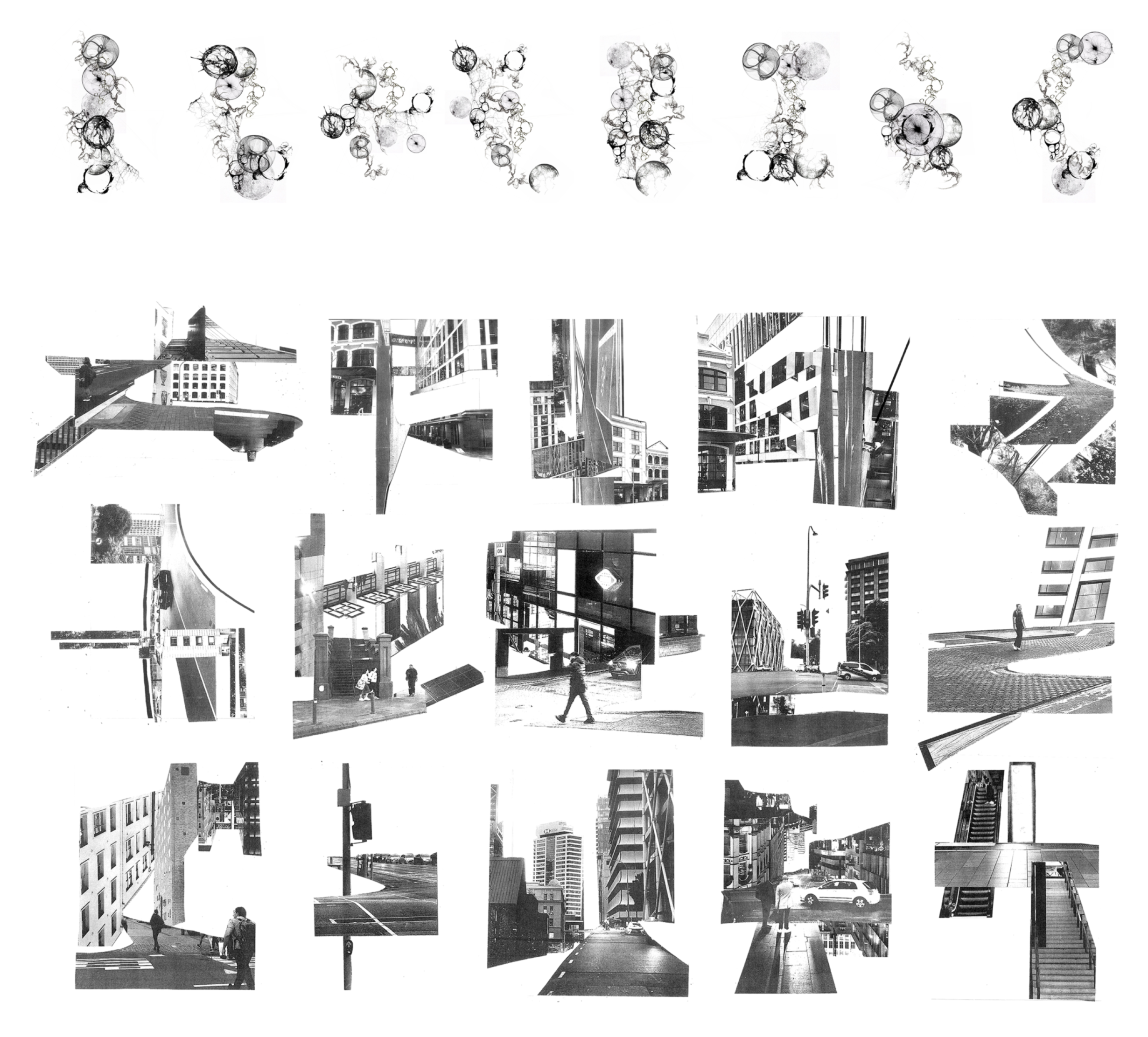
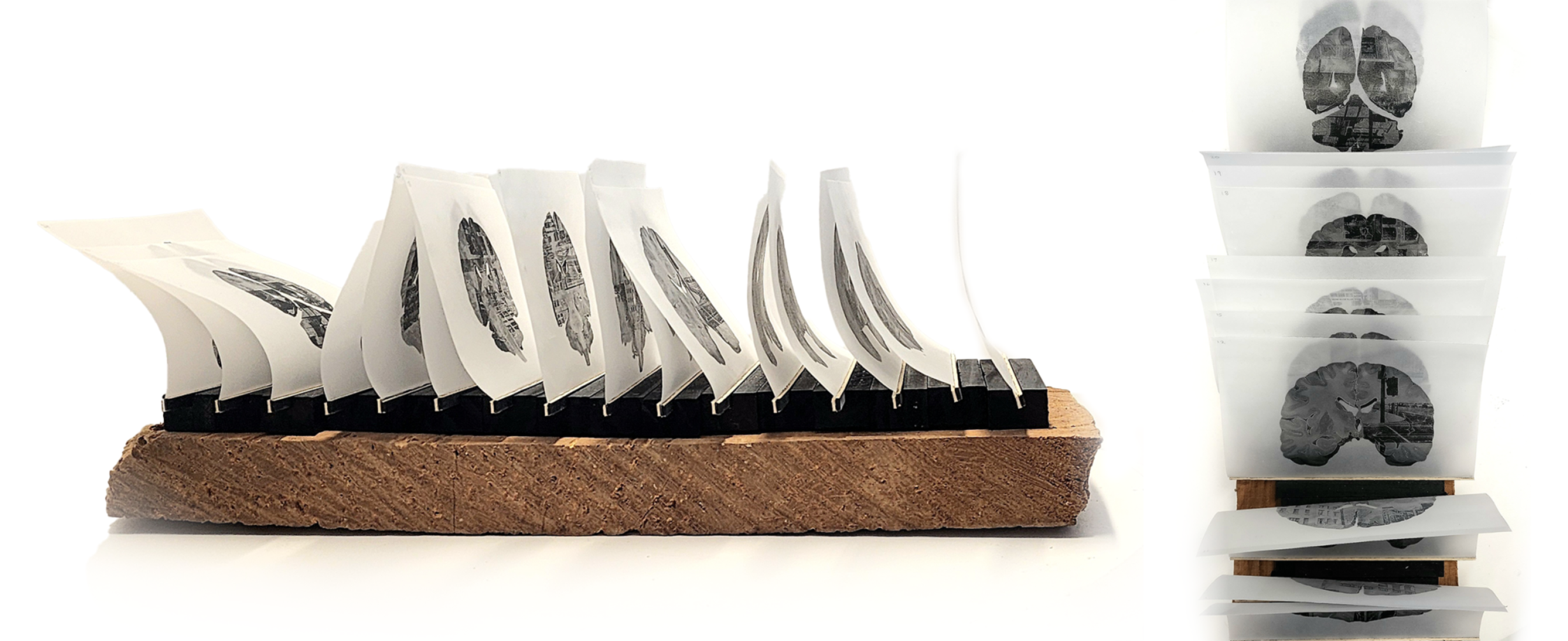
To understand architecture as a perceptual event is to recognise that it does not exist solely as a static object, but as something that unfolds through the act of perceiving it. A building may be materially fixed, however what it is to an individual in terms of how it feels and what it means, only comes into being when someone encounters it. Each moment of perception collapses a new version of the architecture into experience, revealing different spatial potentials depending on where we stand, how we move, and what we bring with us internally. In this view, architecture becomes an ongoing event generated through the dynamic relationship between perceiver and environment. Architecture is constantly shaped by the subjective and multiple nature of perception. The work explored records my encounters with architecture not as objective documentation, but as subjective traces of how perception shapes space.

 
Multiplicity
Multiplicity and Subjectivity of Perception

"I’m an eye. A mechanical eye. I, the machine, show you a world the way only I can see it." 

- Dziga Vertov

 
Brain scans
Memories of Space

Location

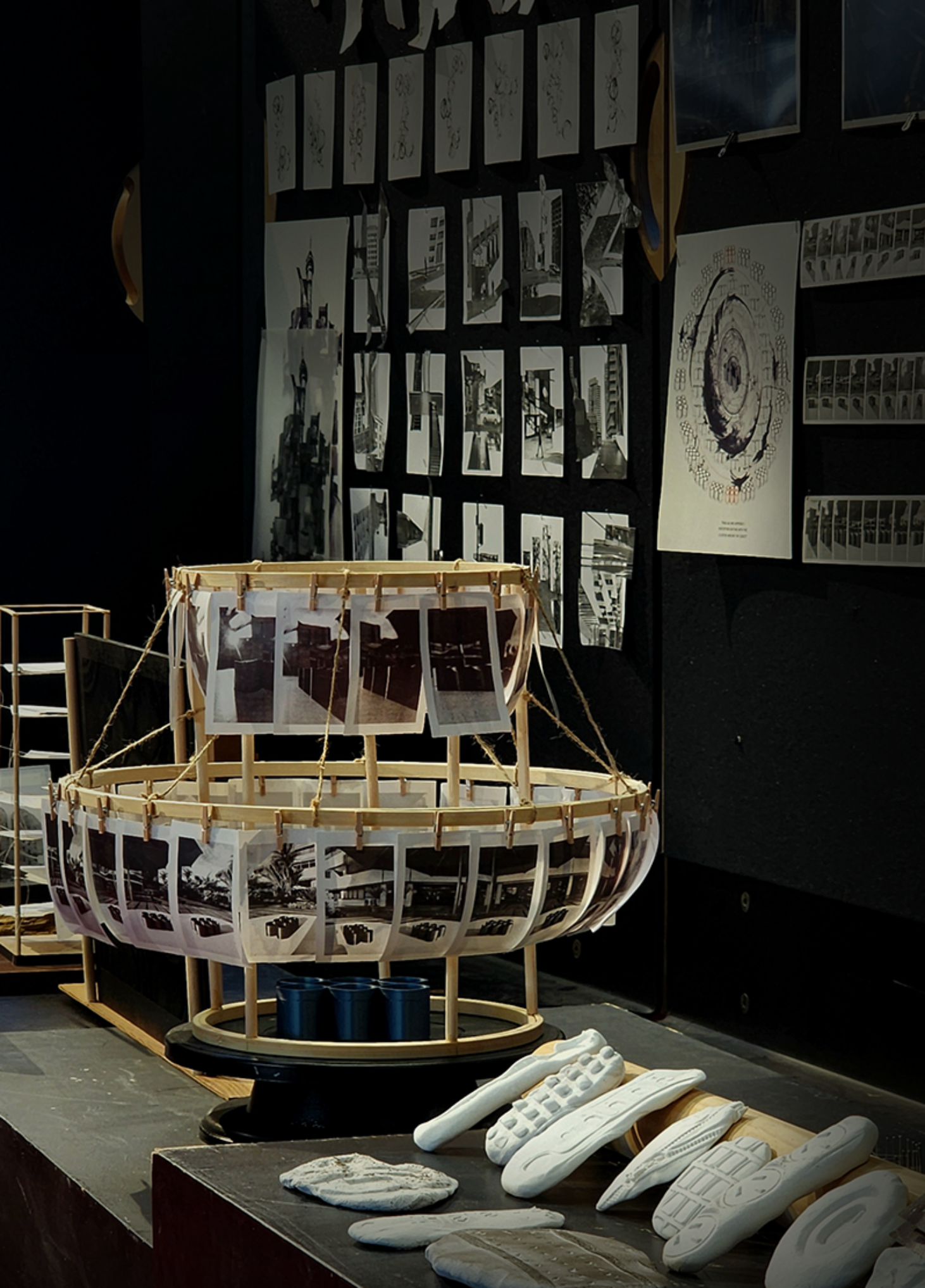
Architecture is never perceived all at once. As we move through space, each shift in location generates a new collapse of spatial potential that reveals a different version of the architecture. Architecture therefore exists in multiple states at once; as the physical structure, the fragments we perceive, and the imagined continuities that connect them.

 
Around model
Locational Fragments of Understanding

Proximity 


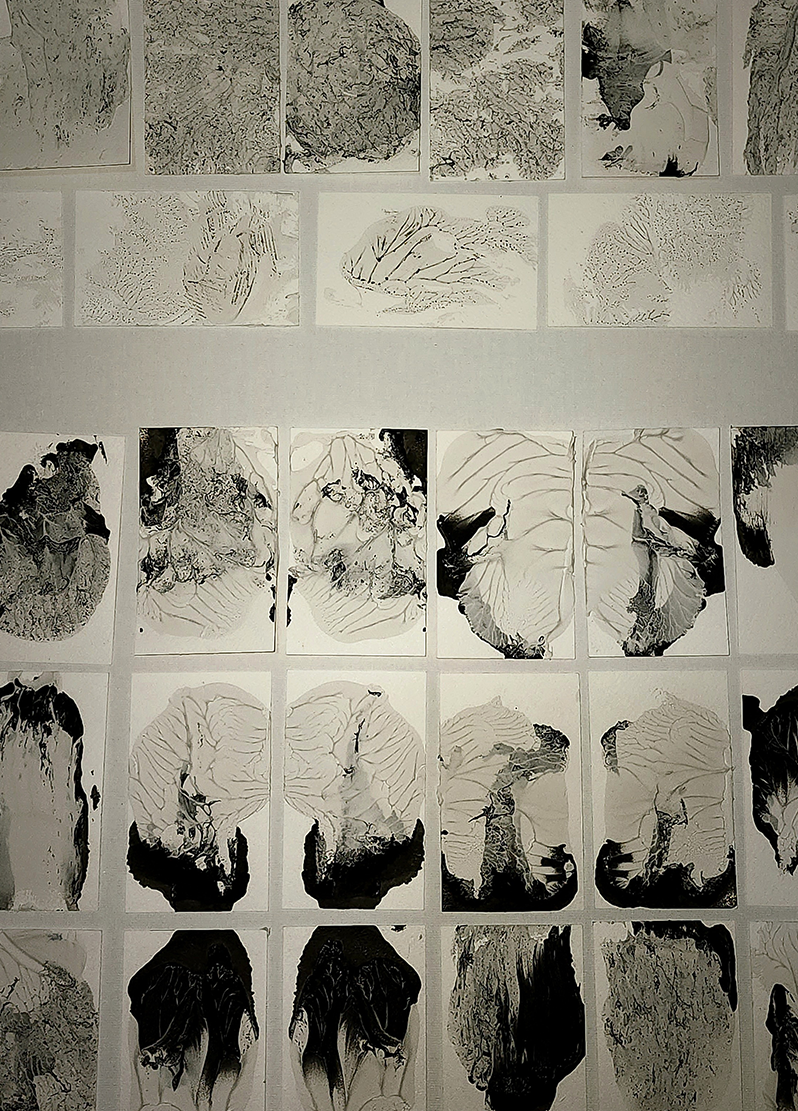
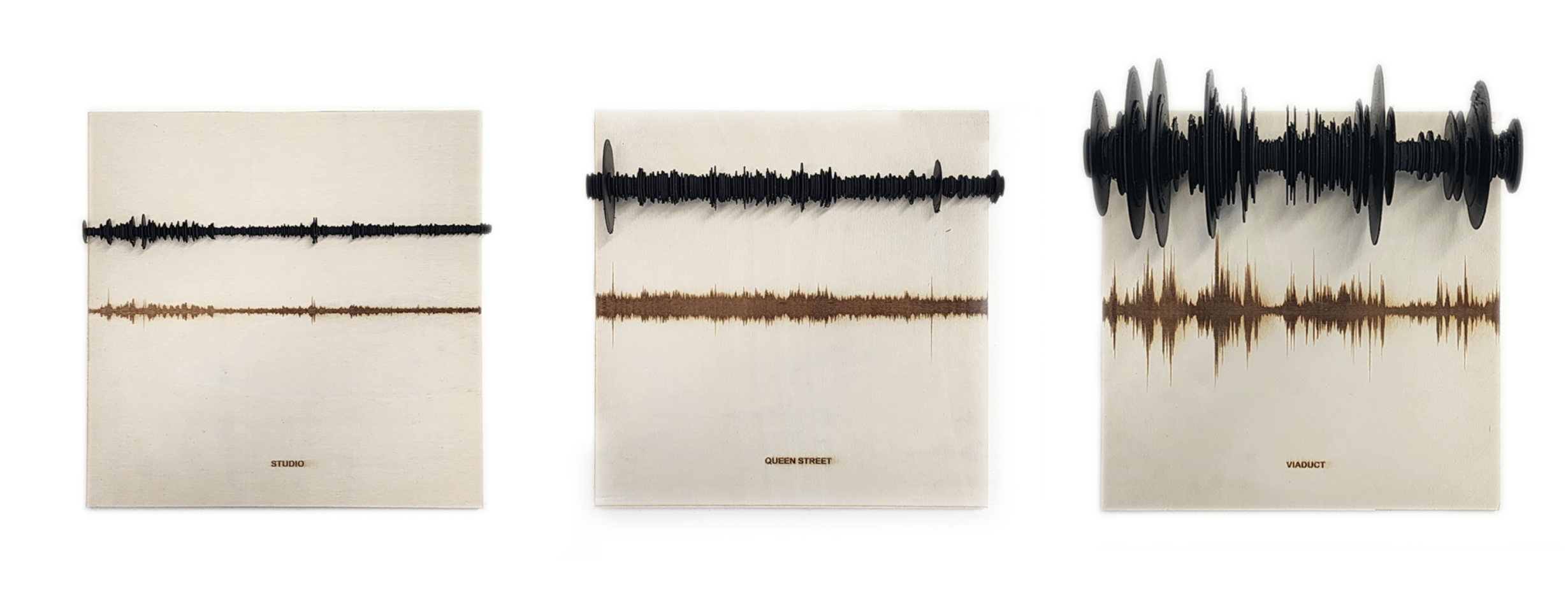
Proximity amplifies the multiplicity of spatial potential through embodied sensory experiences such as touch, sound, scent, and a range of other senses. As we move closer, our assumptions about a building collapse to form new and subjective understandings that multiply the possible realities of a space. Architecture cannot ‘create’ feelings however there is a profound richness in architectural possibilities when we design to amplify and reinforce the sensations within us.

“We behold, touch, listen and measure the world with our entire bodily existence and the experiential world is organized and articulated around the center of the body.” 

- Juhani Pallasmaa 

Ink paste
Reversibility of Touch
Sound v3
Proximity - Sound of Space
Scent
Proximity - Scent of Space

Scale

Scale is a relational perception, understood through the body’s comparison with context, proportion, and memory. Our sense of scale is a construct of perception and it quickly becomes ambiguous when its reference points are altered or removed.

 
Scale
Micro to Macro

Movement


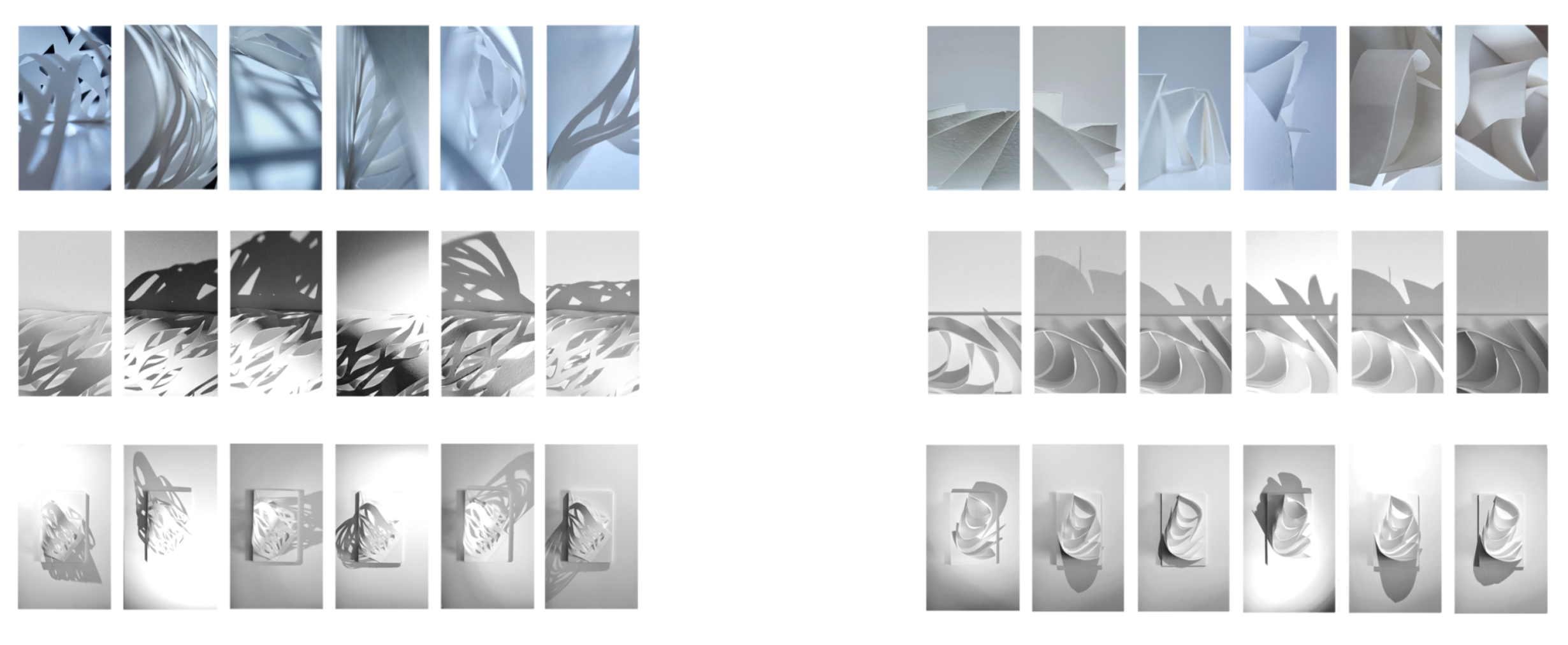
Movement explores architecture as a sequence of unfolding encounters over time. It determines how we understand the significance of each detail as it passes within our perceptual field. 


Architecture does not exist as just a physical structure, but as an embodied perceptual event actively being generated as we experience the world. By approaching design as the crafting of perceptual events rather than only the creation of structures, architects can guide how spatial reality is generated in the minds and bodies of those who inhabit it. Architects can design with deliberate attention to how architectural perception unfolds, shaping what is revealed and encountered through locational positioning, intensity of proximity, referential scale, and movement. This shift towards a more perception-led design methodology extends architecture beyond the limits of the physical realm and incorporates the unique human experience at a more intense level.