What Waiwera Remembers

INTRO IMAGE 2
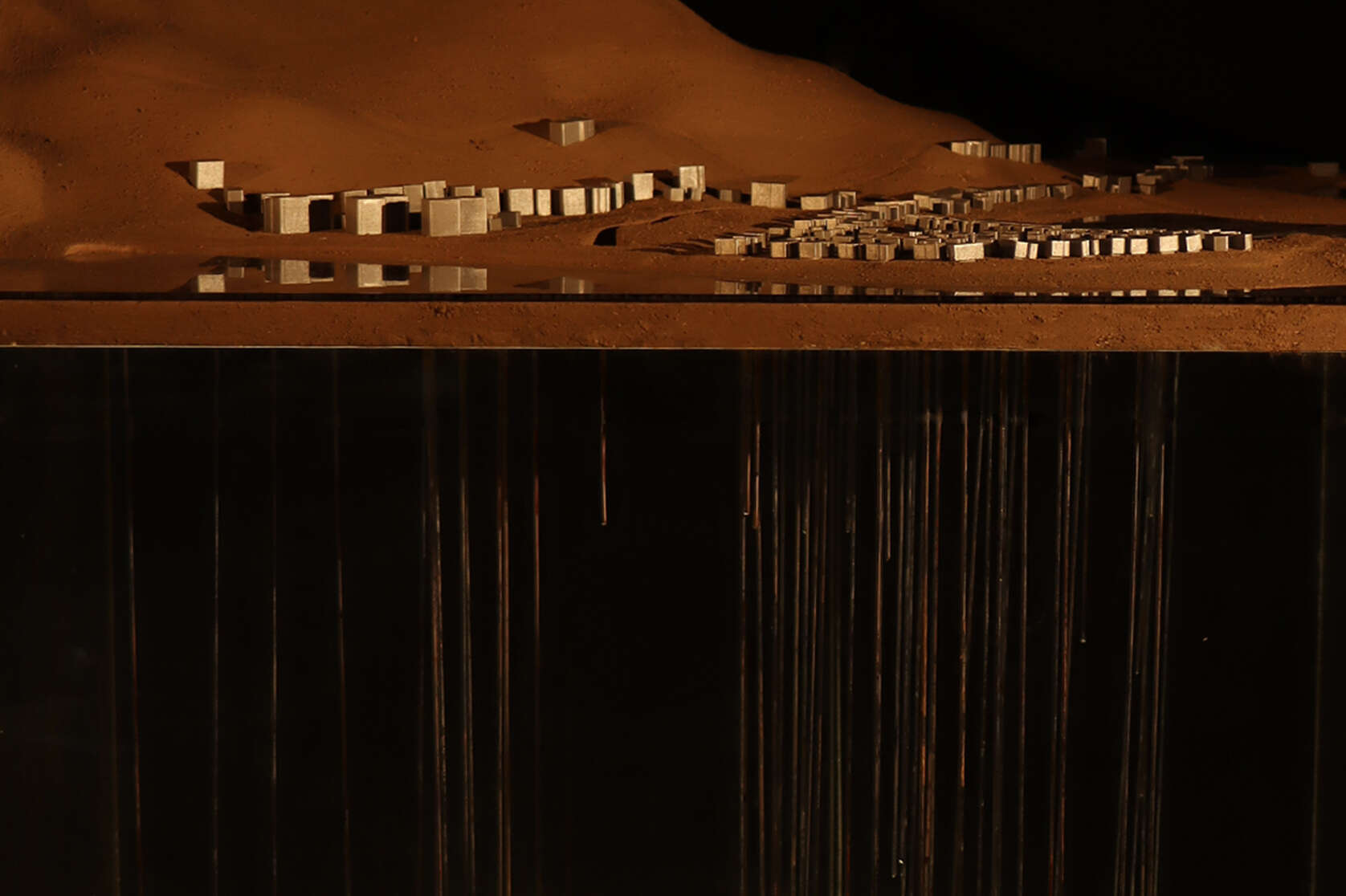
1:500 Scale Model - Above and Below Waiwera

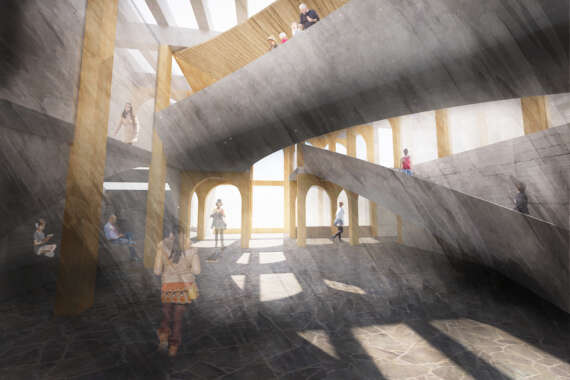
This thesis examines Waiwera, once renowned for its geothermal springs and resort. With the most recent resort now demolished, the site sits empty, its past obscured and its deeper histories largely forgotten. Few remember what Waiwera was before tourism, and even fewer understand what lies beneath. 

The springs, once protected by Māori as a sacred hot water beach, shifted toward commercial exploitation after their sale to Robert Graham in 1845. As demand increased, so did the number and depth of geothermal bores, eventually exhausting the natural hot water beach in the 1970s.

This thesis reveals the trauma buried beneath Waiwera, where decades of development have pushed its wounds deeper underground and obscured the ways Māori once cared for and safeguarded the land. Although the geothermal system now shows early signs of recovery, new redevelopment proposals threaten to restart the cycle of extraction and erasure.

At this fragile pause, this thesis asks how architecture might respond when ecological healing may lie beyond design and true protection depends on governance and restraint.
Waiwera remembers. It remembers being a treasured hot water beach, revered for its healing waters. It also remembers the puncture of drills, the weight of bores, the rise and fall of resorts along its shore, and the silence that followed when the springs finally ran dry.


Waiwera’s act of remembering frames the architectural proposition of this thesis as a witness, rather than a healer, by revealing the land’s wounds. By adopting the theory of “ground as archive,” the thesis treats Waiwera’s land and strata as living repositories of trauma, bearing memory and counter-memory inscribed through extraction and erasure. This conceptual lens draws on Milica Tomić’s notion of investigative memorialisation and Alfredo González-Ruibal’s understanding of soil as counter-memory, emphasising the capacity of land to resist forgetting even when surface narratives are sanitised.

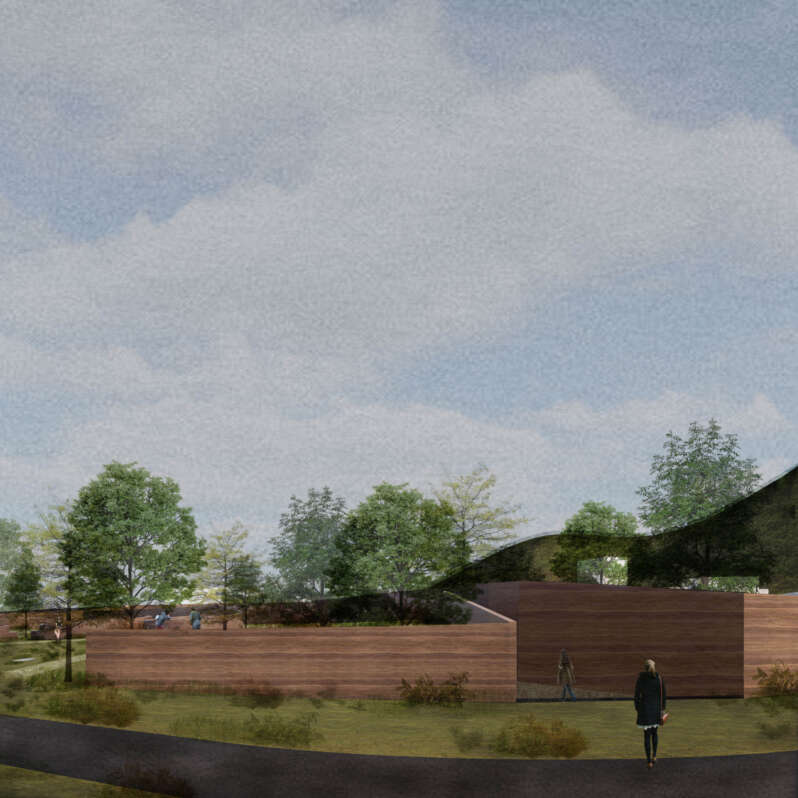
Perspective 1 entrance
Entrance into the 'Cut Path'
2 sediments v2
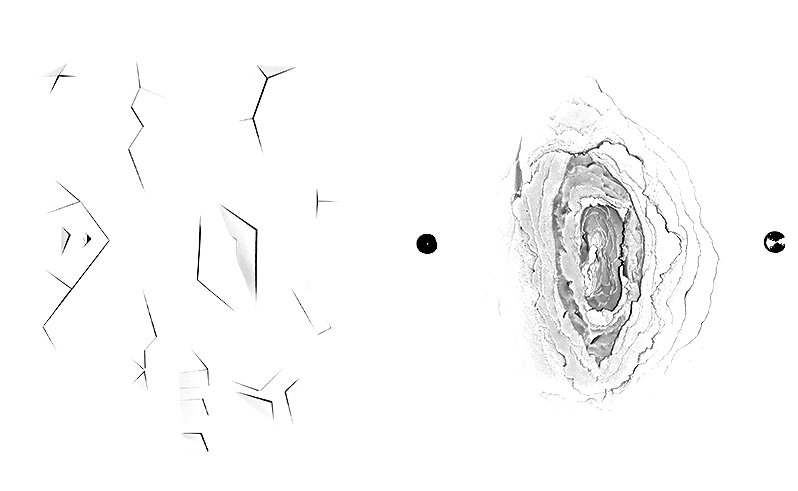
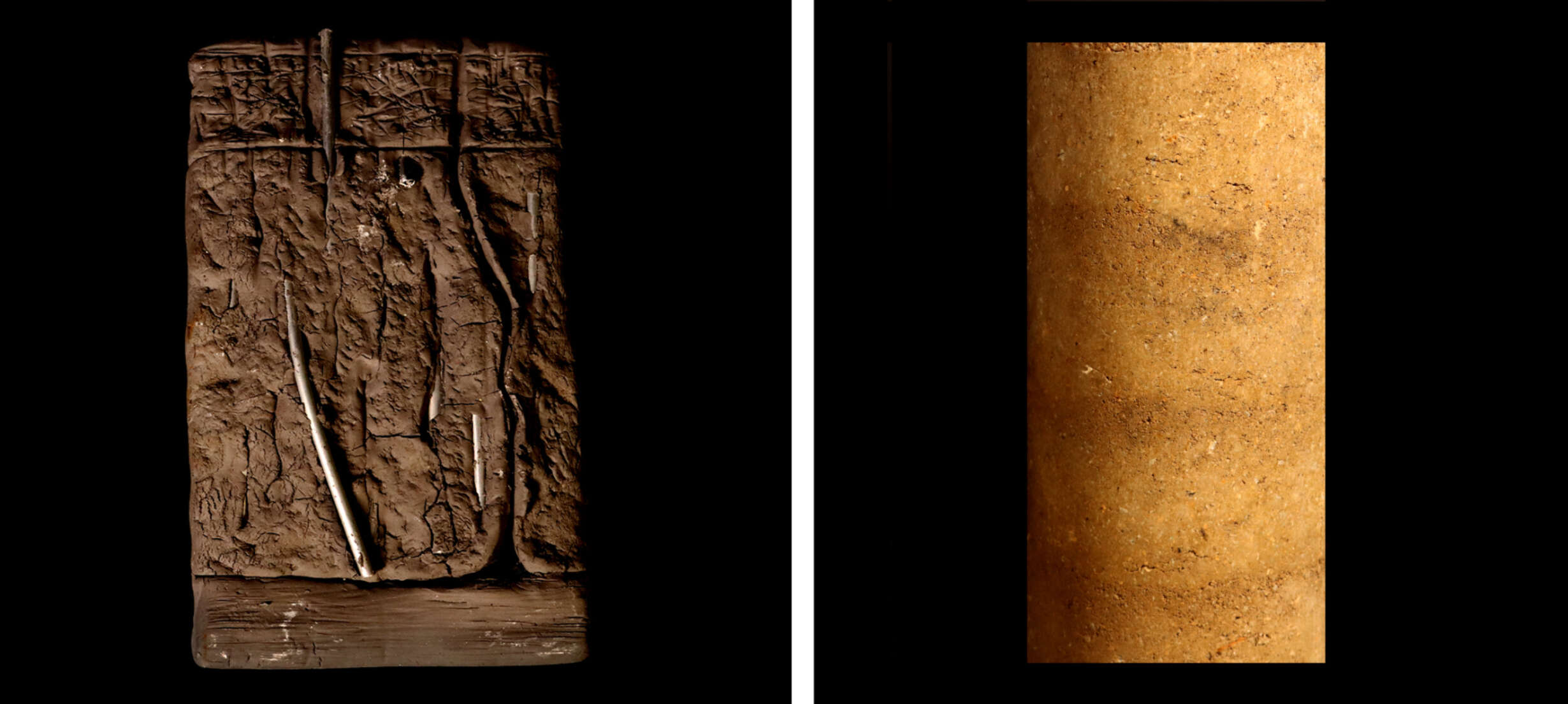
Concept Models - Ground as Archive

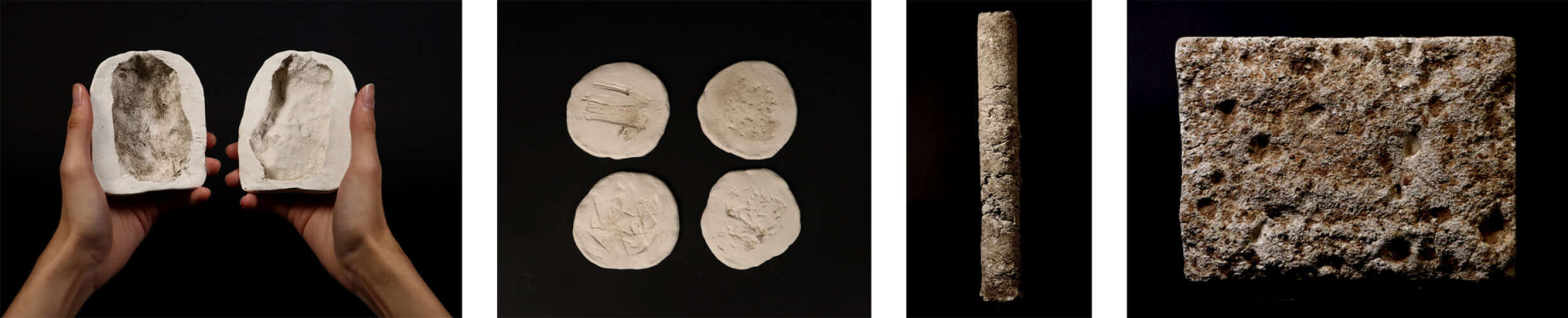
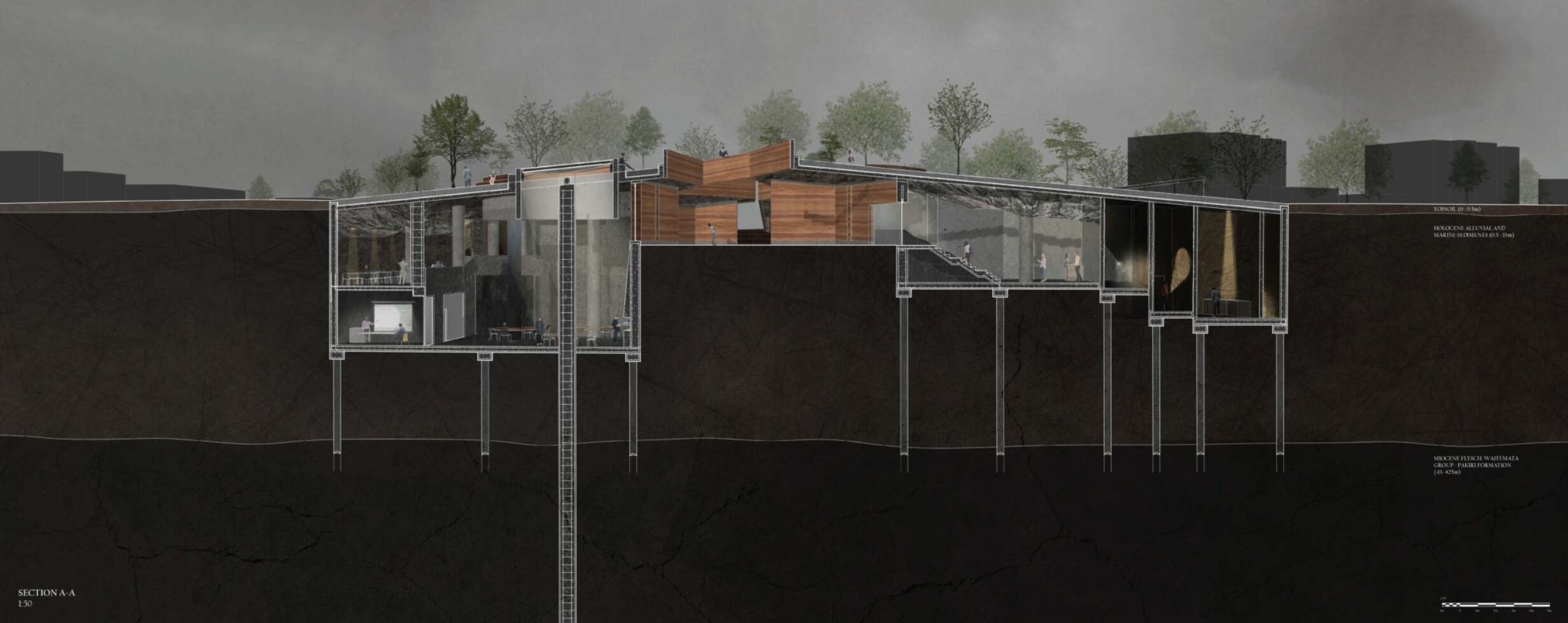
The project’s methodology engages with acts of cutting, layering, and casting, both as construction processes and as metaphors for remembrance. Cutting explores digging into the land and exposing what lies buried under the surface. Layering refers to the sediments of the land, in which, under the surface soil, the ground is peeled back to reveal layers of history and hidden stories. Casting gives form to absence, materialising what has been lost. Through these strategies, the design proposal guides visitors on a journey that moves downward through geological and historical layers, confronting them with scars and exposed traces of exploitation. Walking becomes an act of unearthing, and visitors assume the role of archaeologists, reflecting on their own position within the cycle of consumption and harm.

Untitled 1
Conceptual Investigation: Cut and Layer
CONCEPT MODELS 2
Casting Investigations

The thesis draws on the Māori understanding of land as a living entity with its own rights, an approach embodied in three New Zealand examples such as Te Urewera, the Whanganui River and Taranaki Maunga. In this spirit, Waiwera is personified to recover its voice and assert its own rights, reminding us of the care and protection that have been forgotten and buried beneath layers of colonial commodification. The intent is pedagogical, aiming to cultivate awareness and provoke reflection.

 
COMPRESSESD REDONE final final short section print 1750x695
Short Section
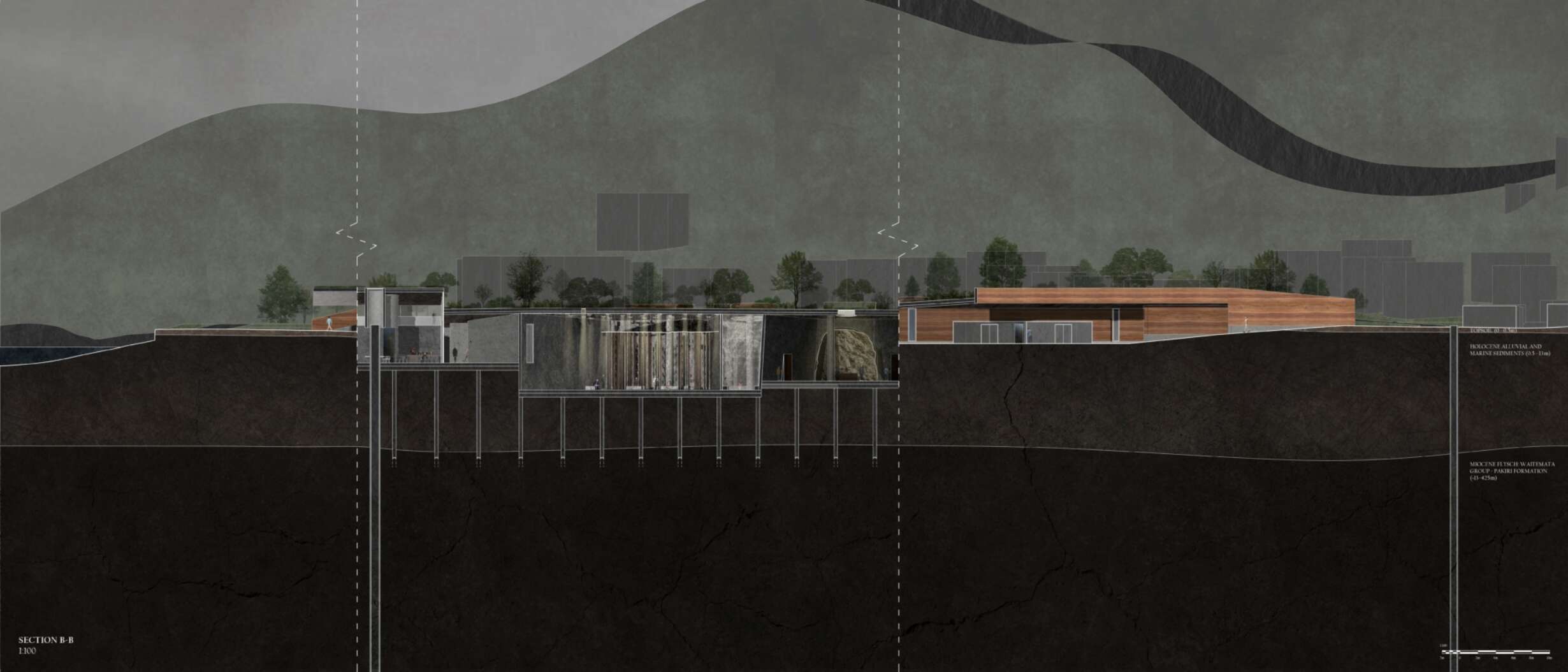
PNG COMPRESSED REDONE long section FLATTENED PRINT 1750 X 750
Long Section
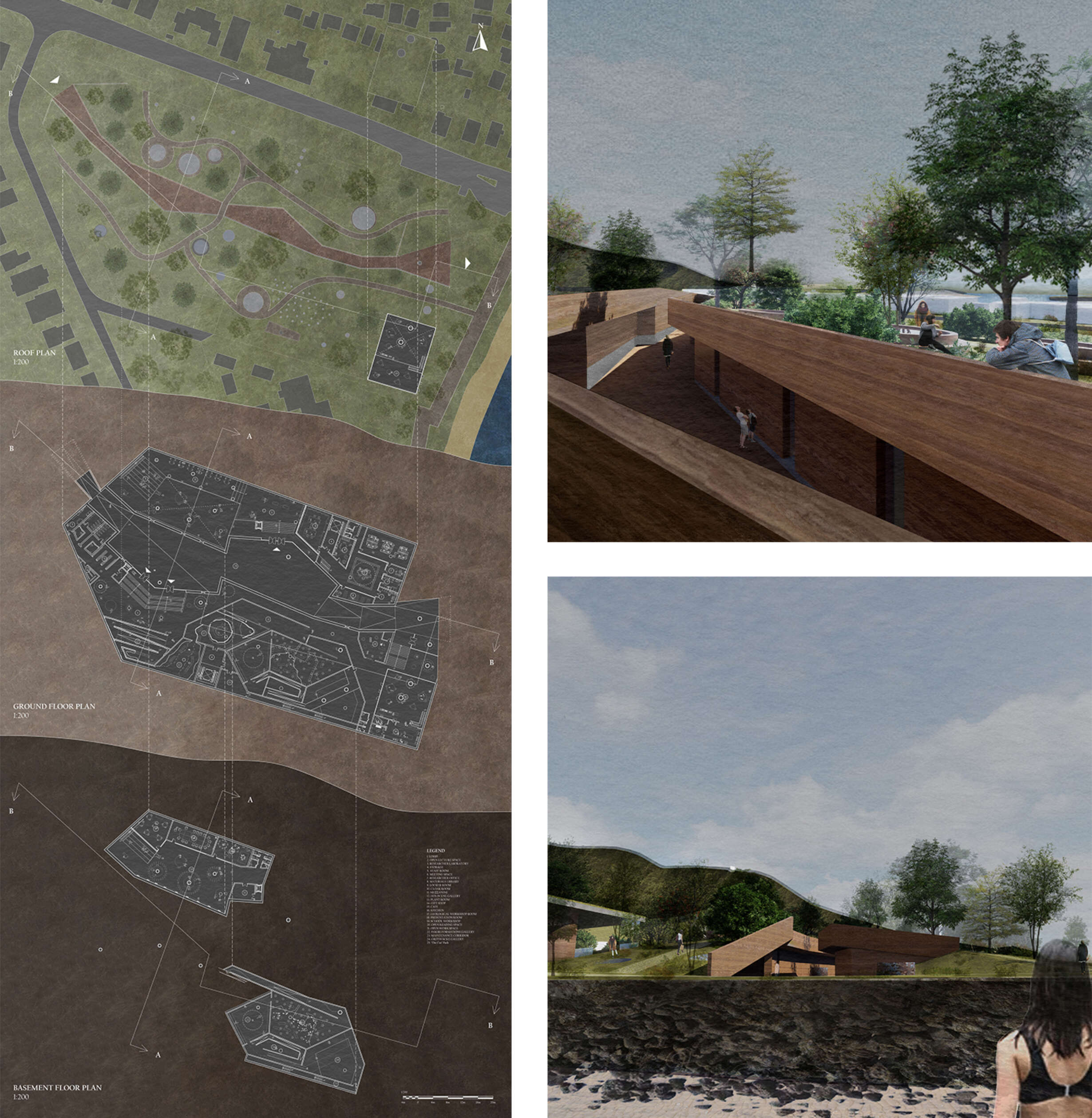
Plan and persective

Ultimately, this work argues that architecture may not be able to heal the land directly, but it can reveal and remind us of what lies beneath as well as resist the erasure of memory. It can shift perception by transforming landscapes of forgetting into spaces of remembrance and responsibility. The project ends where it began, with a question: now that we remember, what will we do?