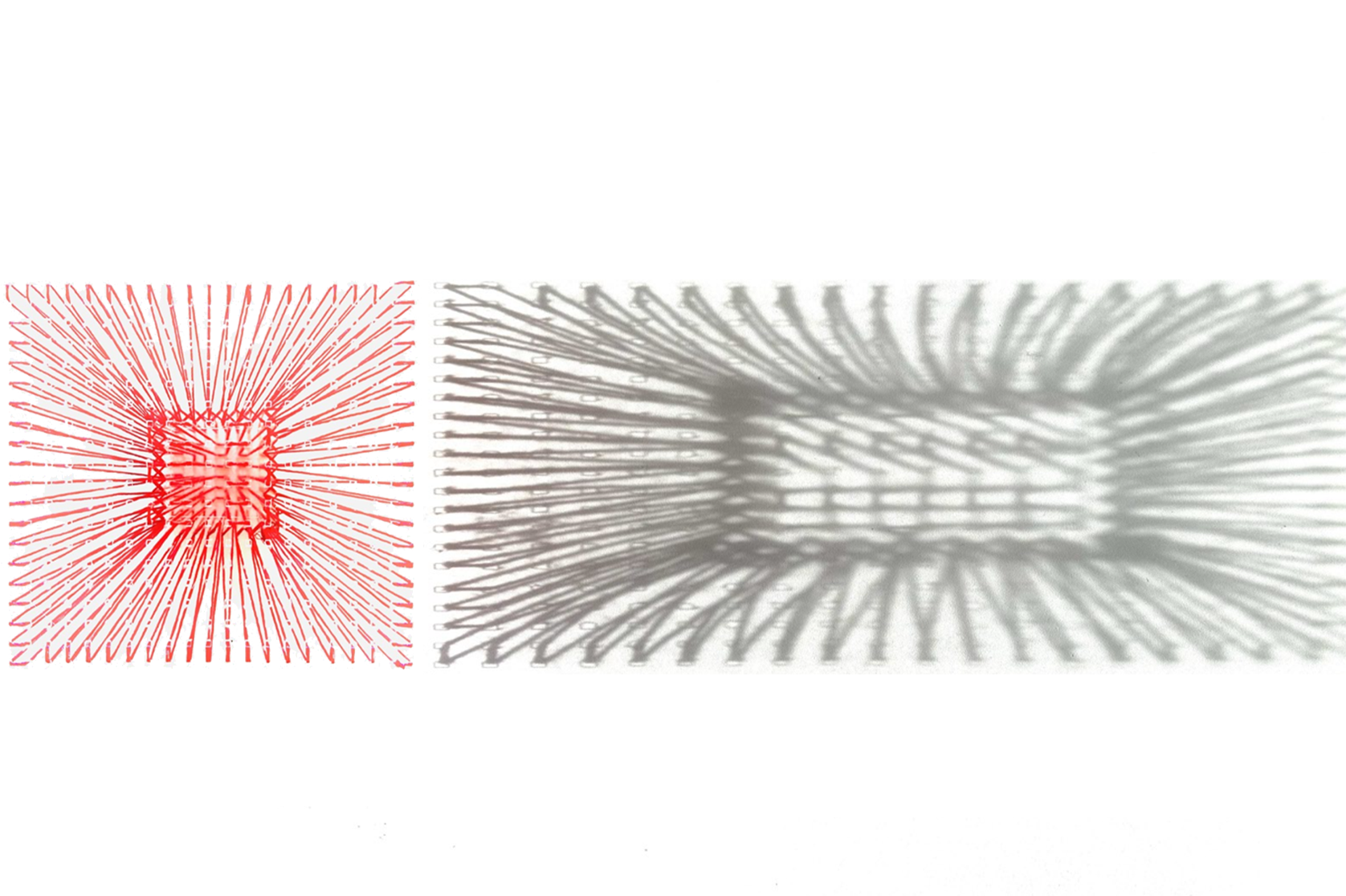
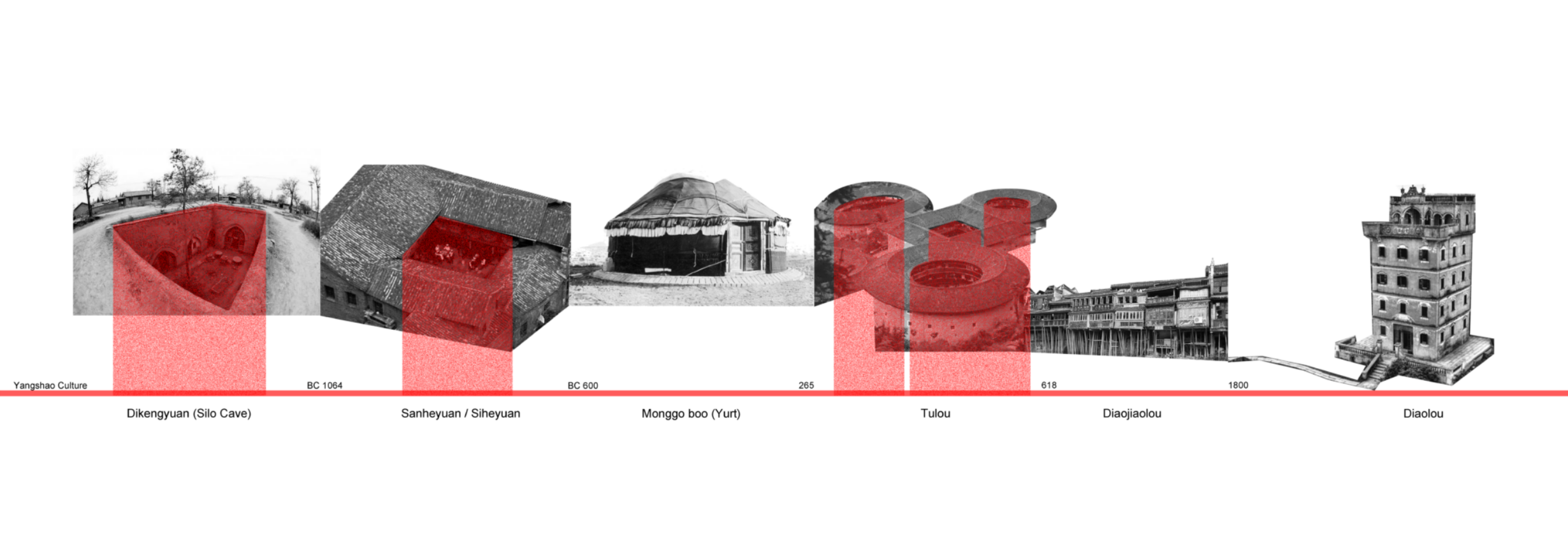
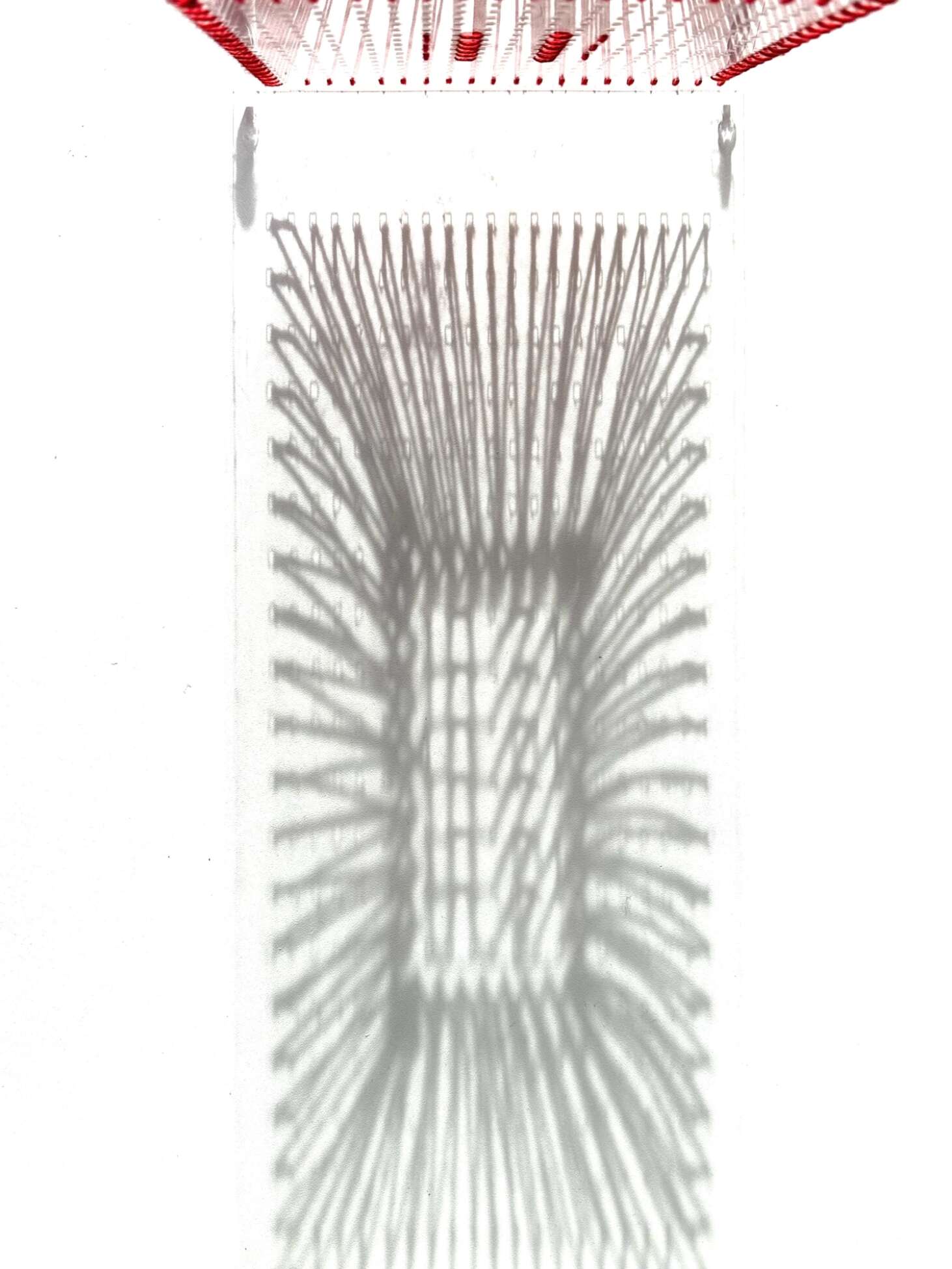
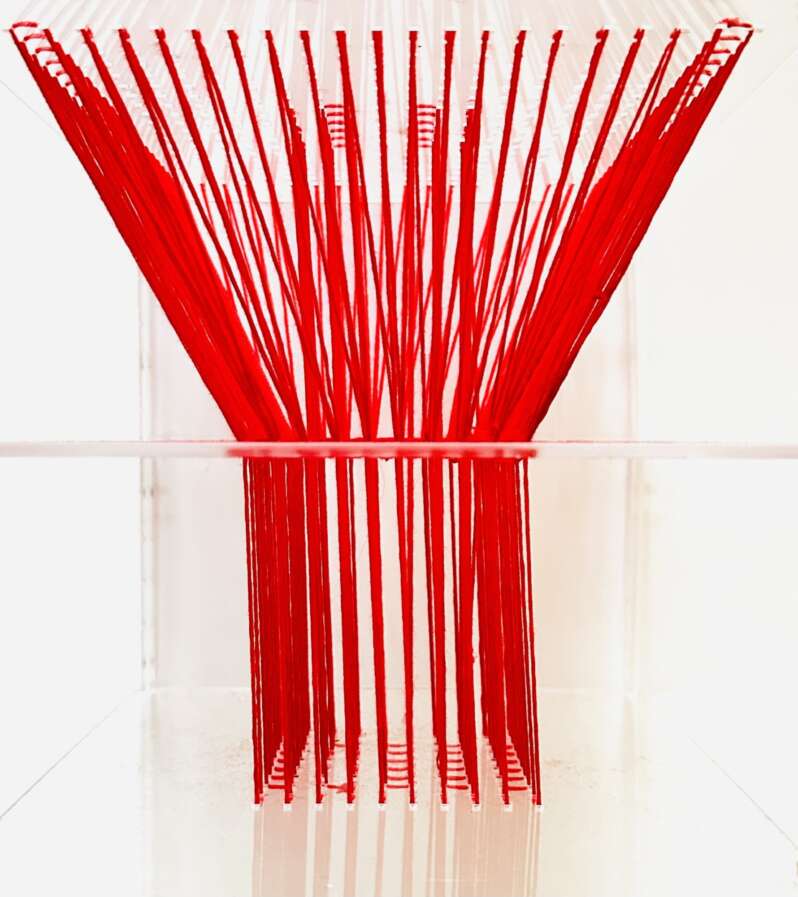
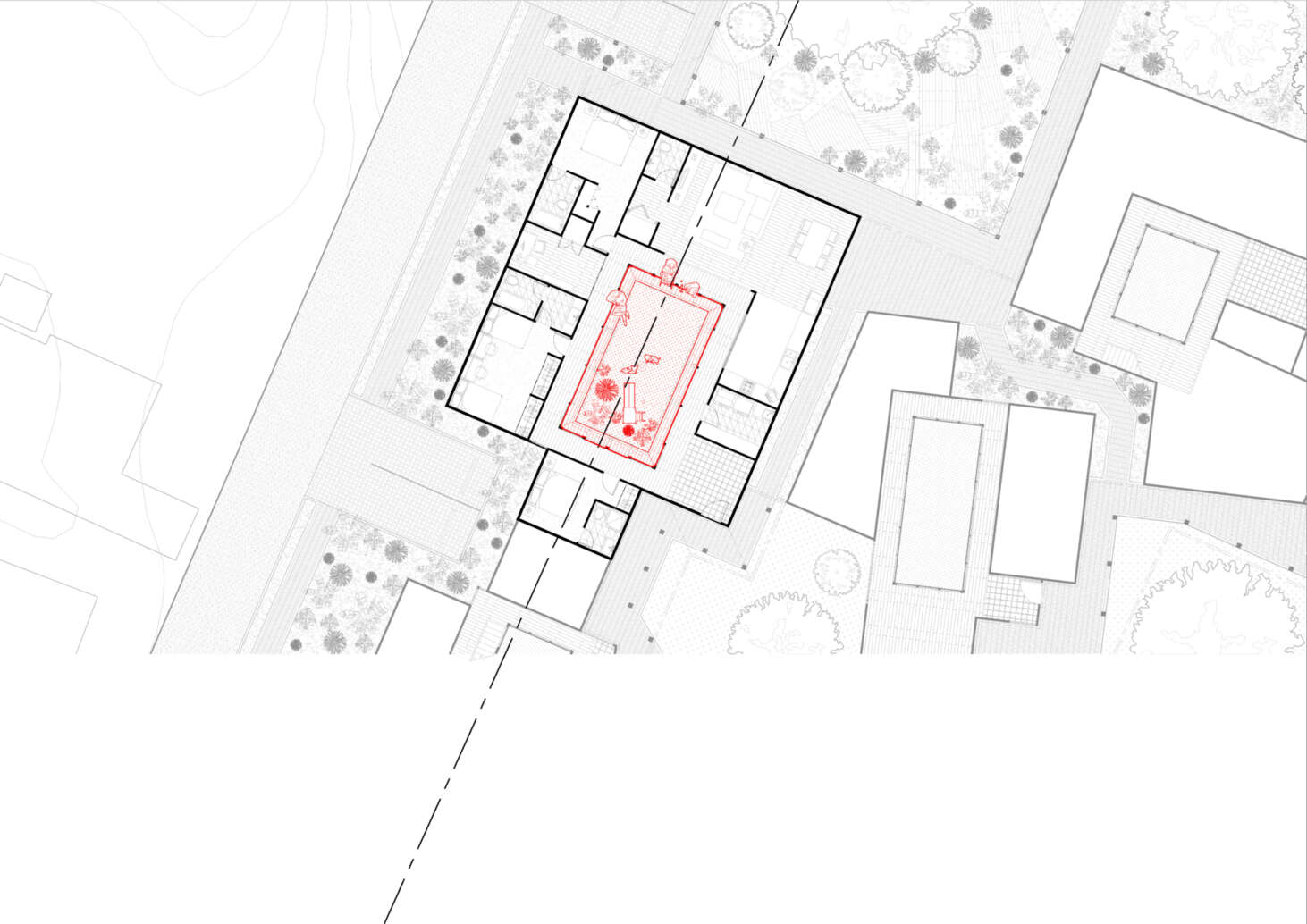
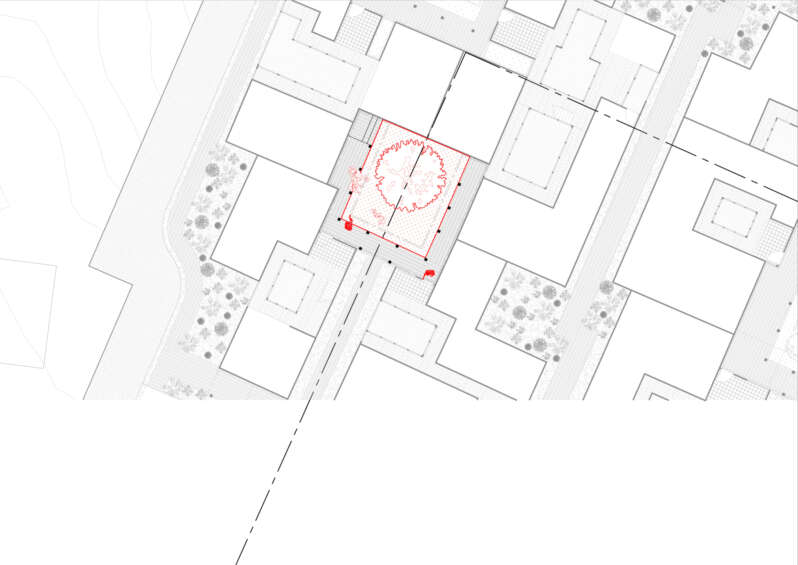
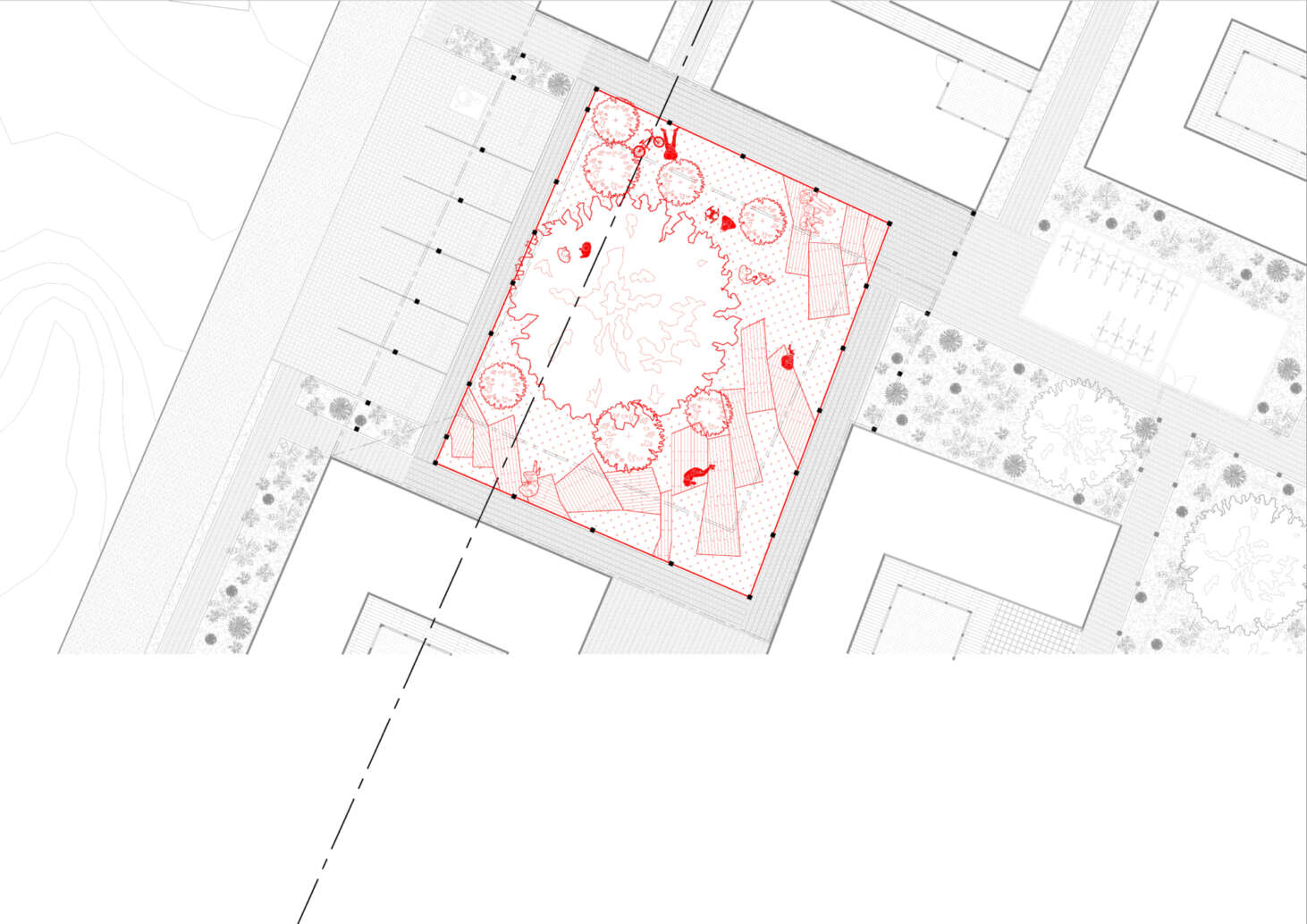
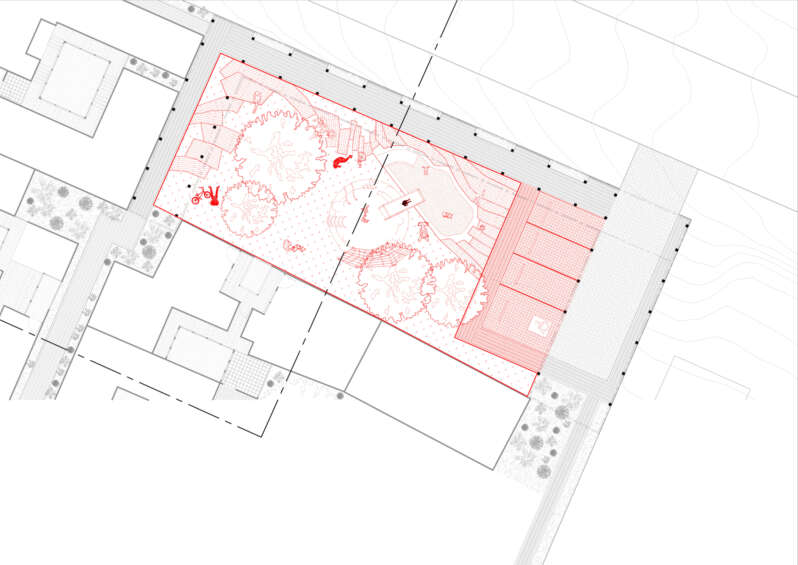
The courtyard holds profound significance in traditional Chinese dwellings, serving as a quintessential component and distinctive feature of China's architectural heritage, particularly in residential architecture. Beyond its functional roles in providing natural lighting, ventilation, and space for daily activities, the courtyard embodies substantial cultural and psychological significance. The courtyard is a vital component of a traditional Chinese residence. The courtyard in these buildings is not an outside space, but an internal space with the sky as its roof — a skyroom. It is a space in architecture that connects humans and nature. People experience nature in the courtyard through seven senses: sight, sound, touch, taste, smell, sense of space, and sense of time. The primary Chinese courtyard dwellings include three types: Dikengyuan (Silo-cave), Siheyuan / Sanheyuan, and Tulou. All courtyard residences in China can be broken down into four elements: the courtyard, gate, colonnade, and rooms. The courtyard is the main element that defines the shape of a dwelling. The colonnade is the main circulation element, connecting the other three elements. In addition, different types of single-story small courtyard houses are combined or connected through a colonnade to form multi-story, large houses or residential complexes. The gate represented the identity of the residents and was the primary expressive element of the structure facing the outside world. In some buildings, the gate is connected to guest rooms and other functional areas with less need for privacy, thus forming a gatehouse. The courtyard dwellings can be conceptualized as a system that is centred on a courtyard as a connecting point.
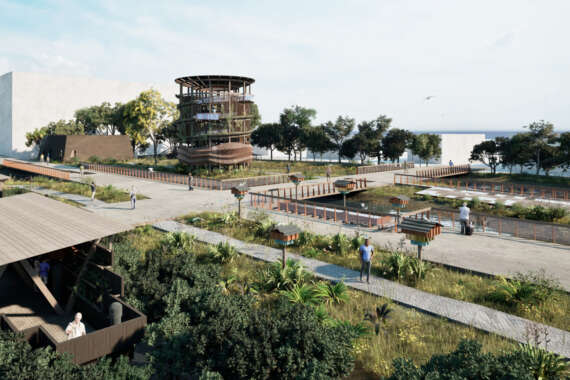
This thesis investigates the traditional Chinese courtyard dwellings and explores their boundless potential. Utilizing a contemporary Aotearoa/New Zealand suburban as an experimental zone, the thesis examines the feasibility of implementing traditional Chinese courtyard residences in modern non-Chinese contexts.