Queen Street, Auckland’s economic and cultural epicentre, faces mounting pressures from infrastructural expansion, economic fragility and social disruption. Large-scale developments intended to modernise the city and relieve congestion have instead fragmented the urban experience, revealing a tension between progress of growth and erosion of civic engagement. This thesis questions what role heritage architecture can play as a socially responsible agent in revitalising Auckland’s city centre, and whether introducing informal public spaces can nurture socialisation, creativity, and renewed civic life.
The research frames this question through the concept of ‘third spaces’, a term popularised by theorist Ray Oldenburg (1989) to describe environments separate to home and work. Expanding on Oldenburg’s theory, this thesis redefines third spaces in a contemporary context, positioning them as an essential factor to successful urban regeneration. The modern library emerges as a key model, demonstrating how architecture can accommodate diverse modes of learning, collaboration and recreation within a single program, creating environments that invite discovery and interaction.
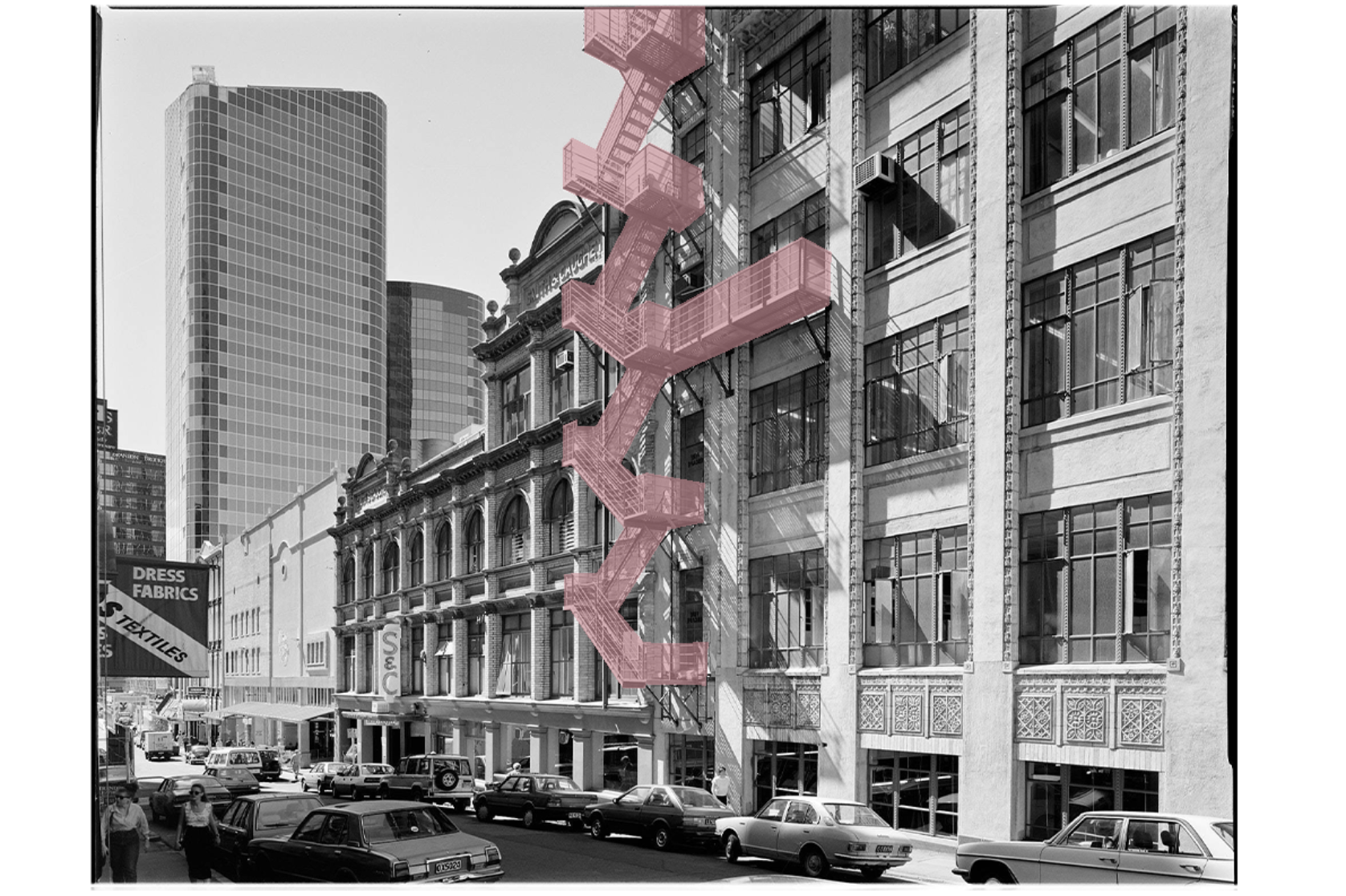
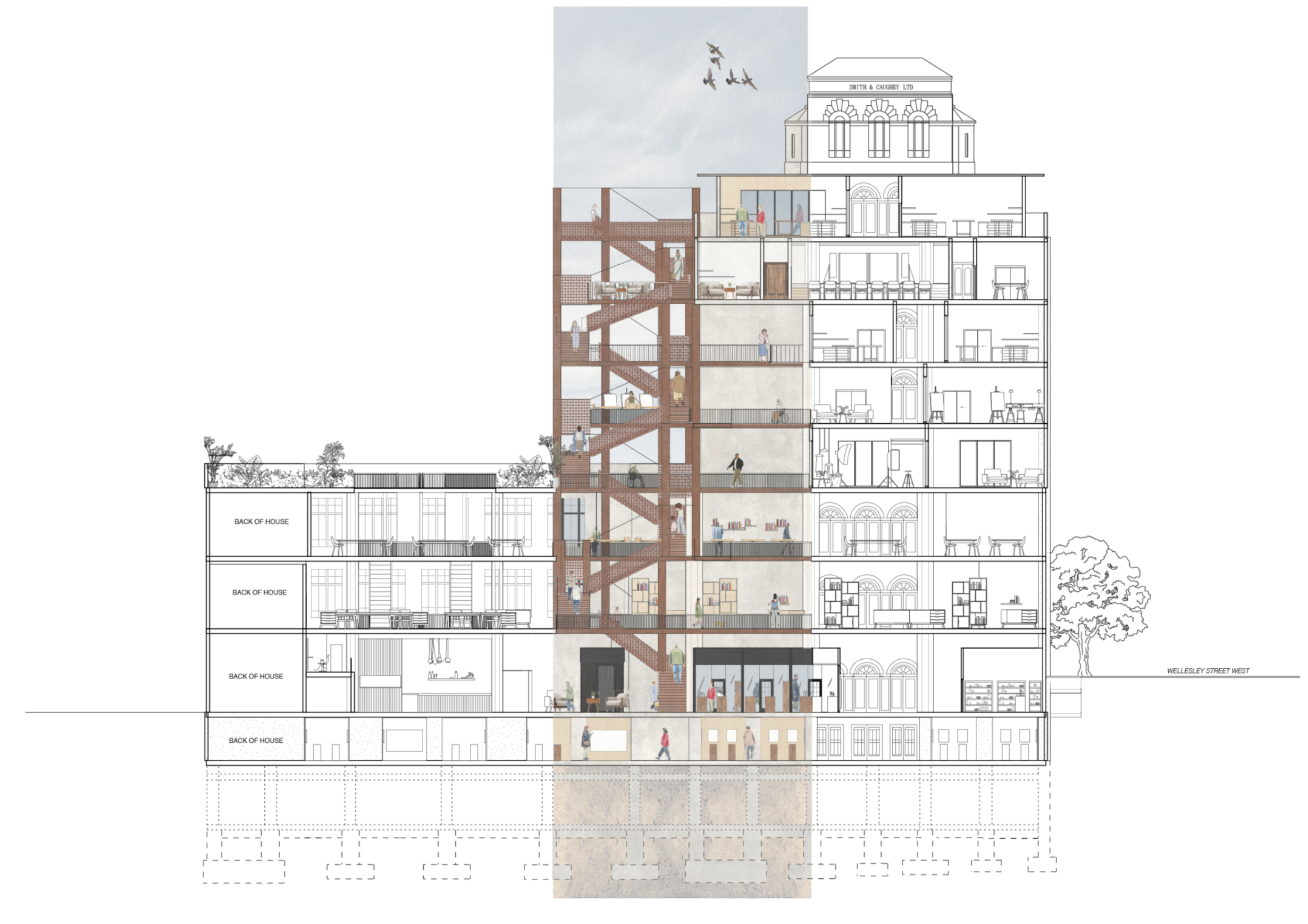
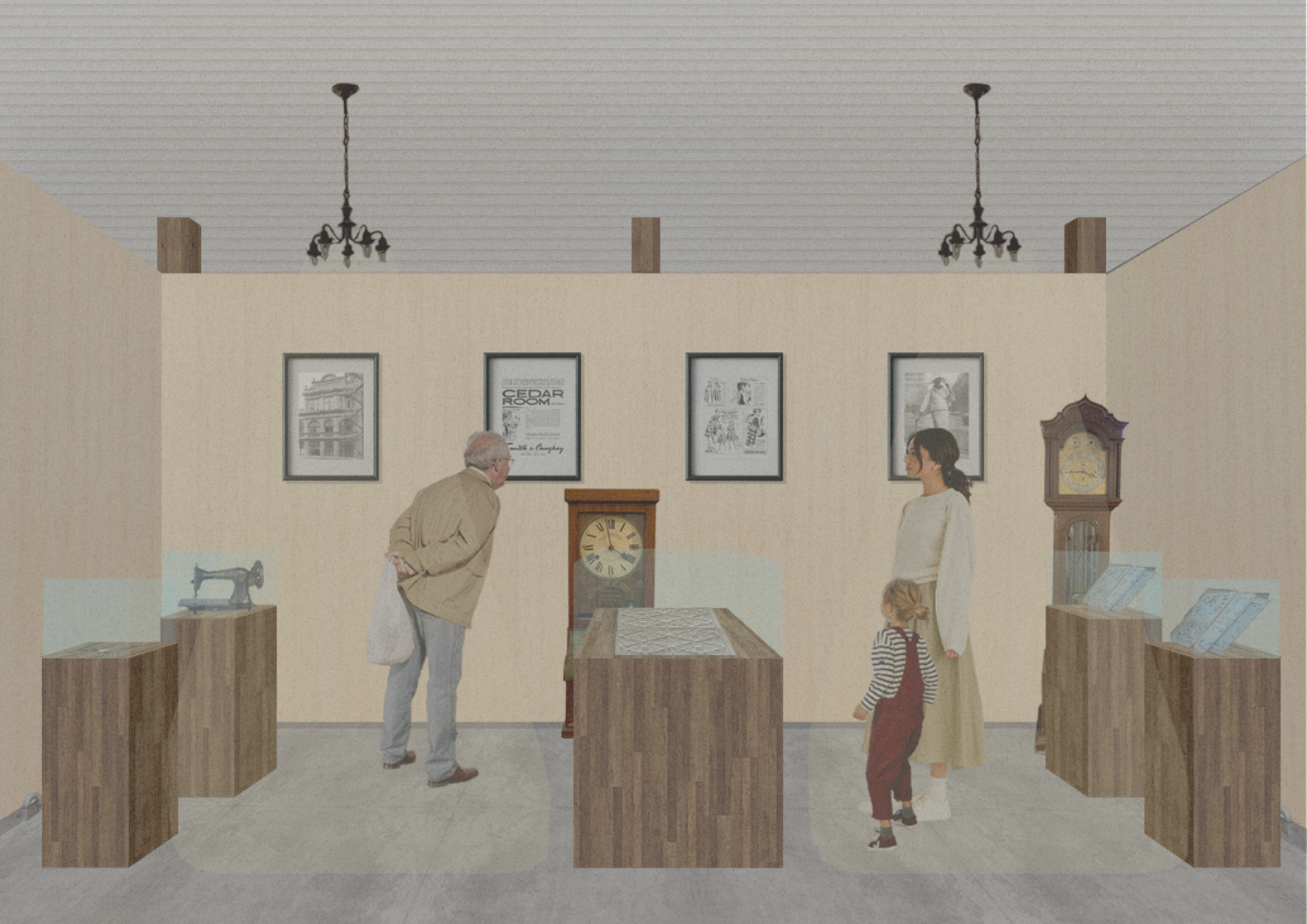
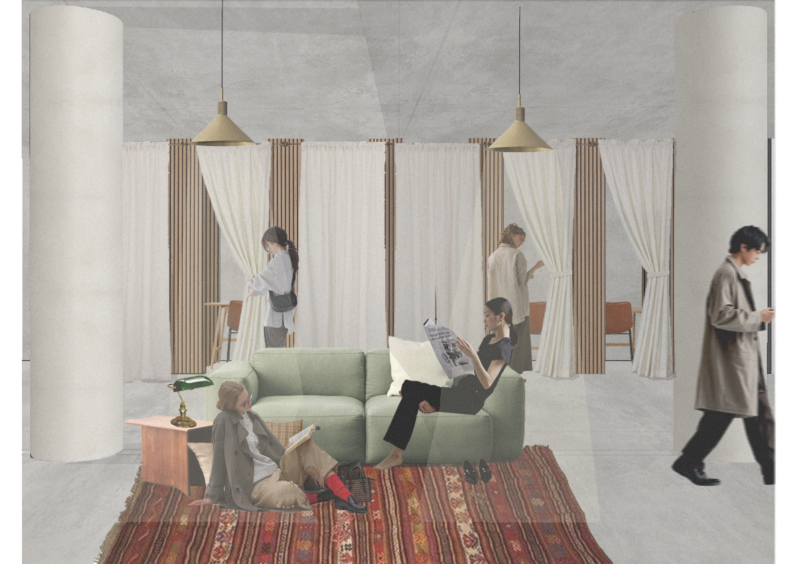
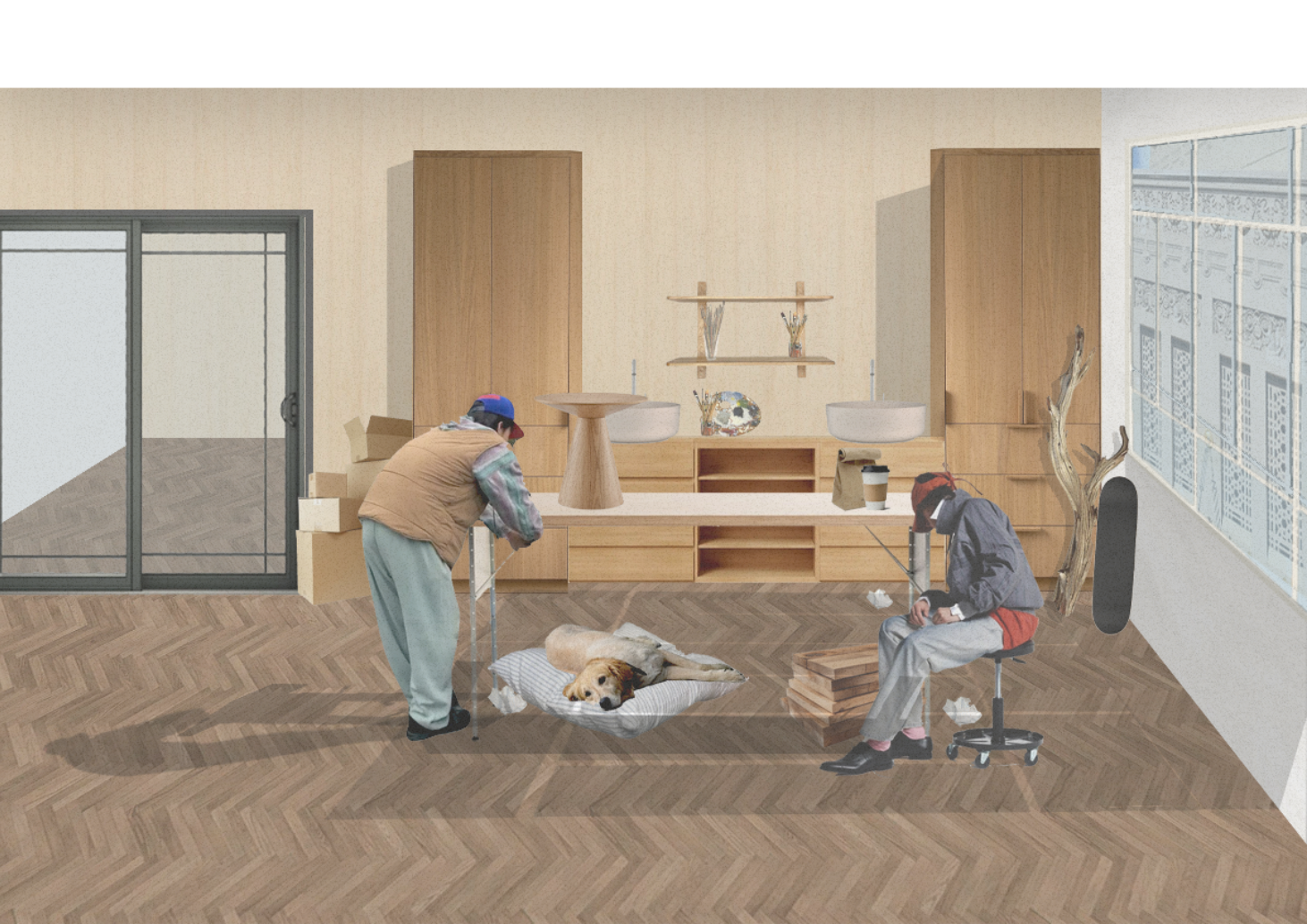
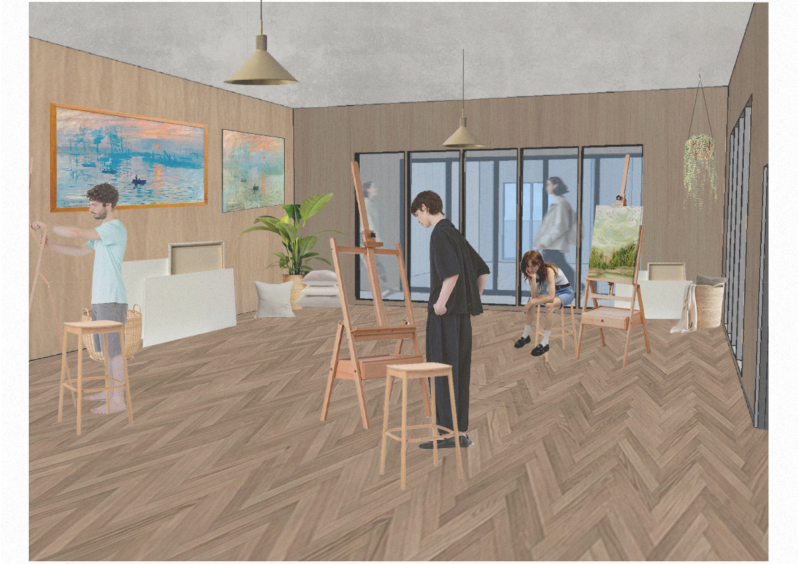
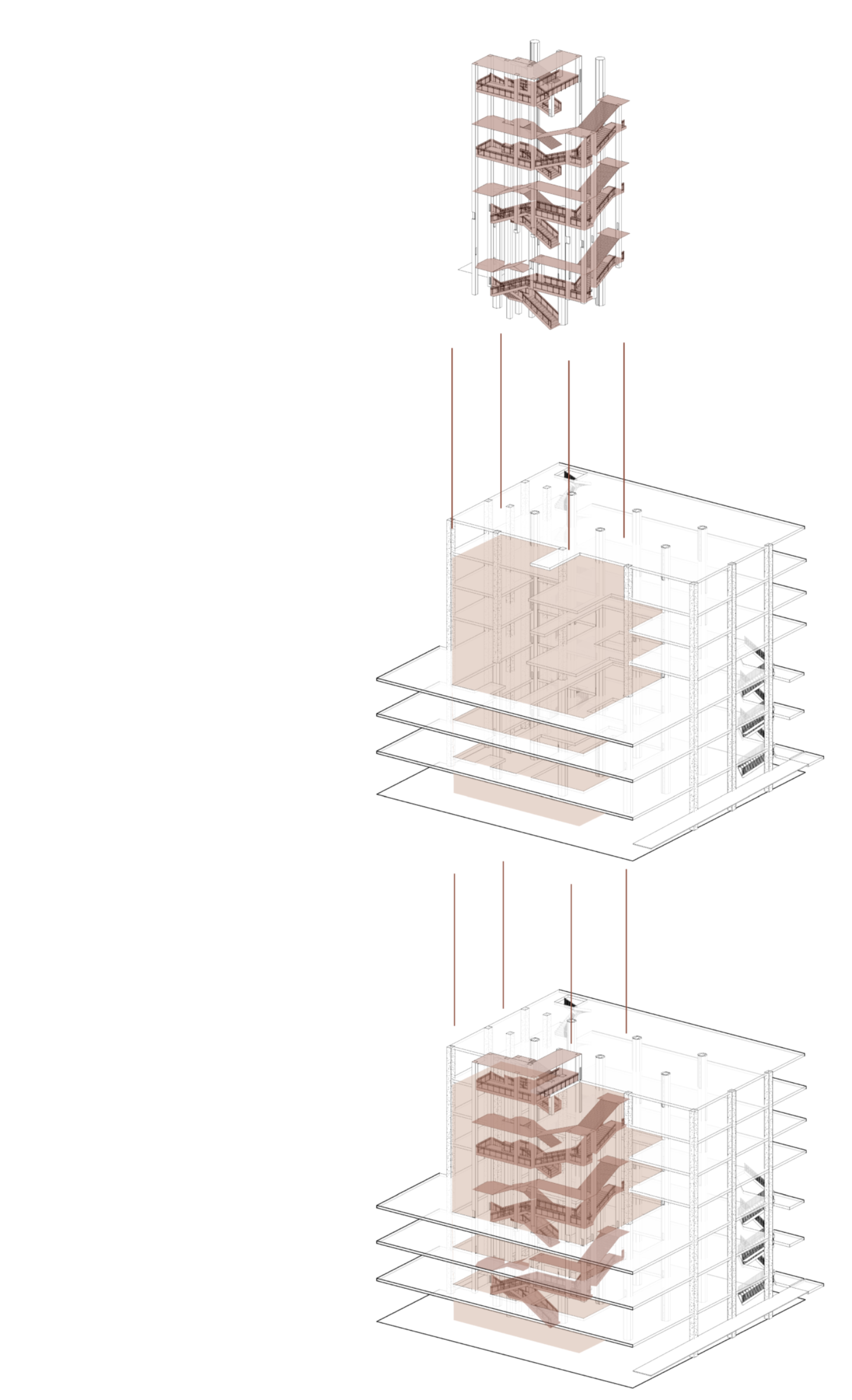
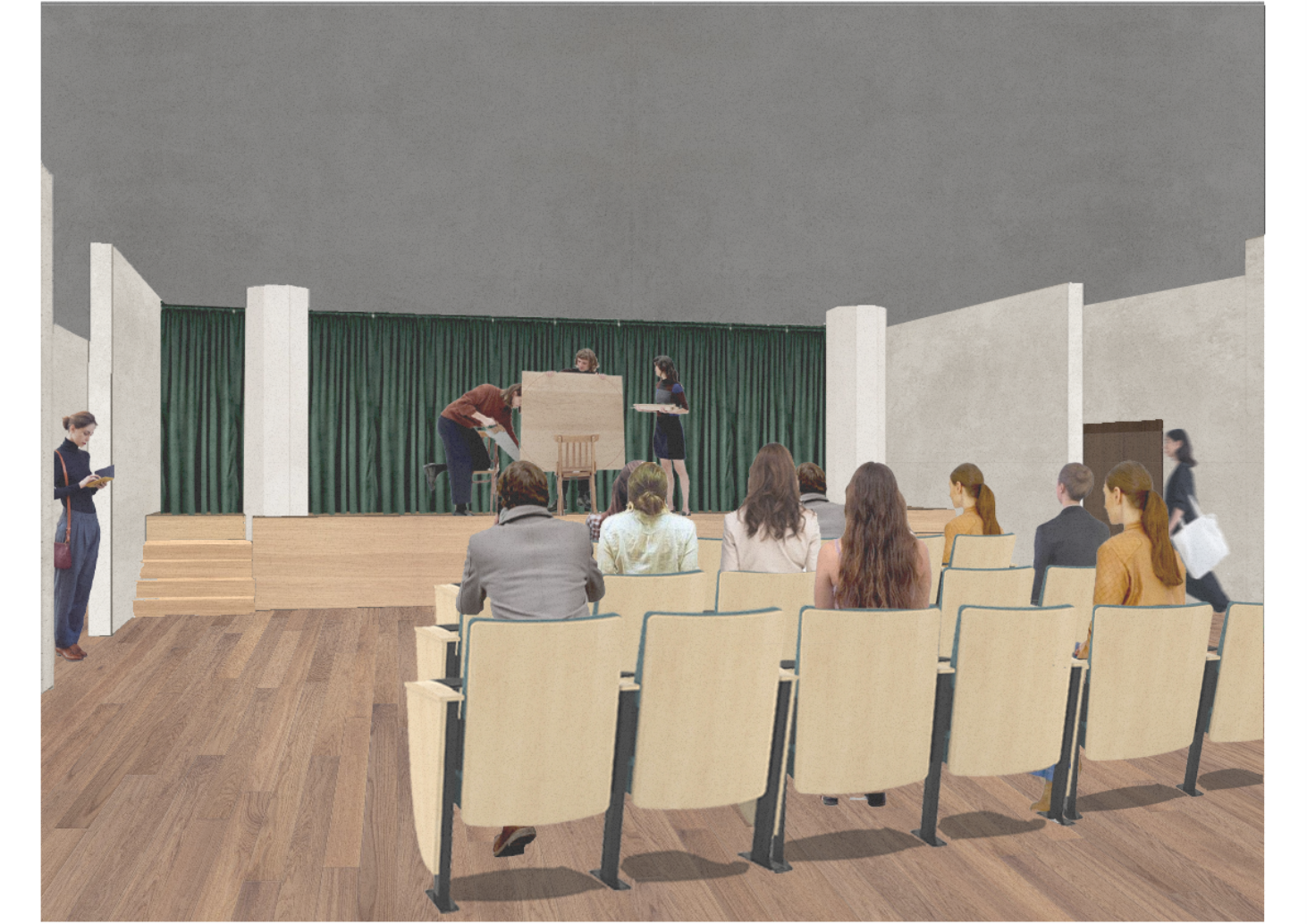
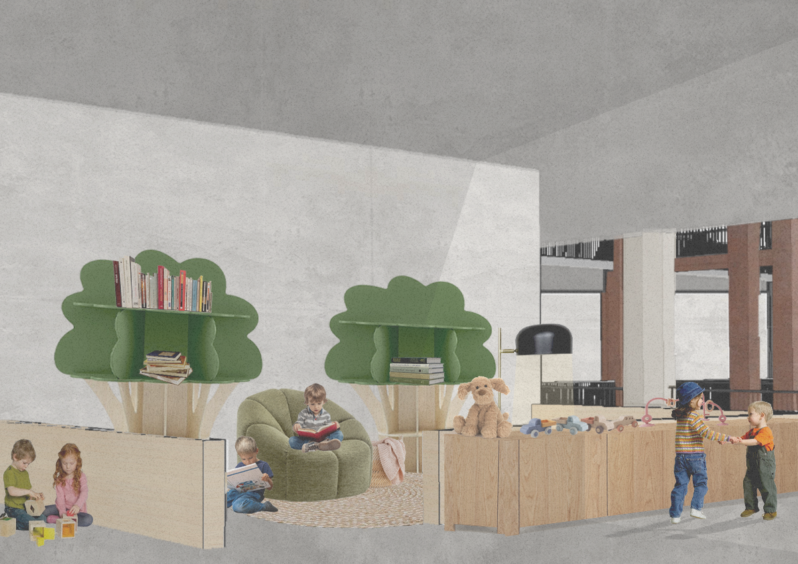
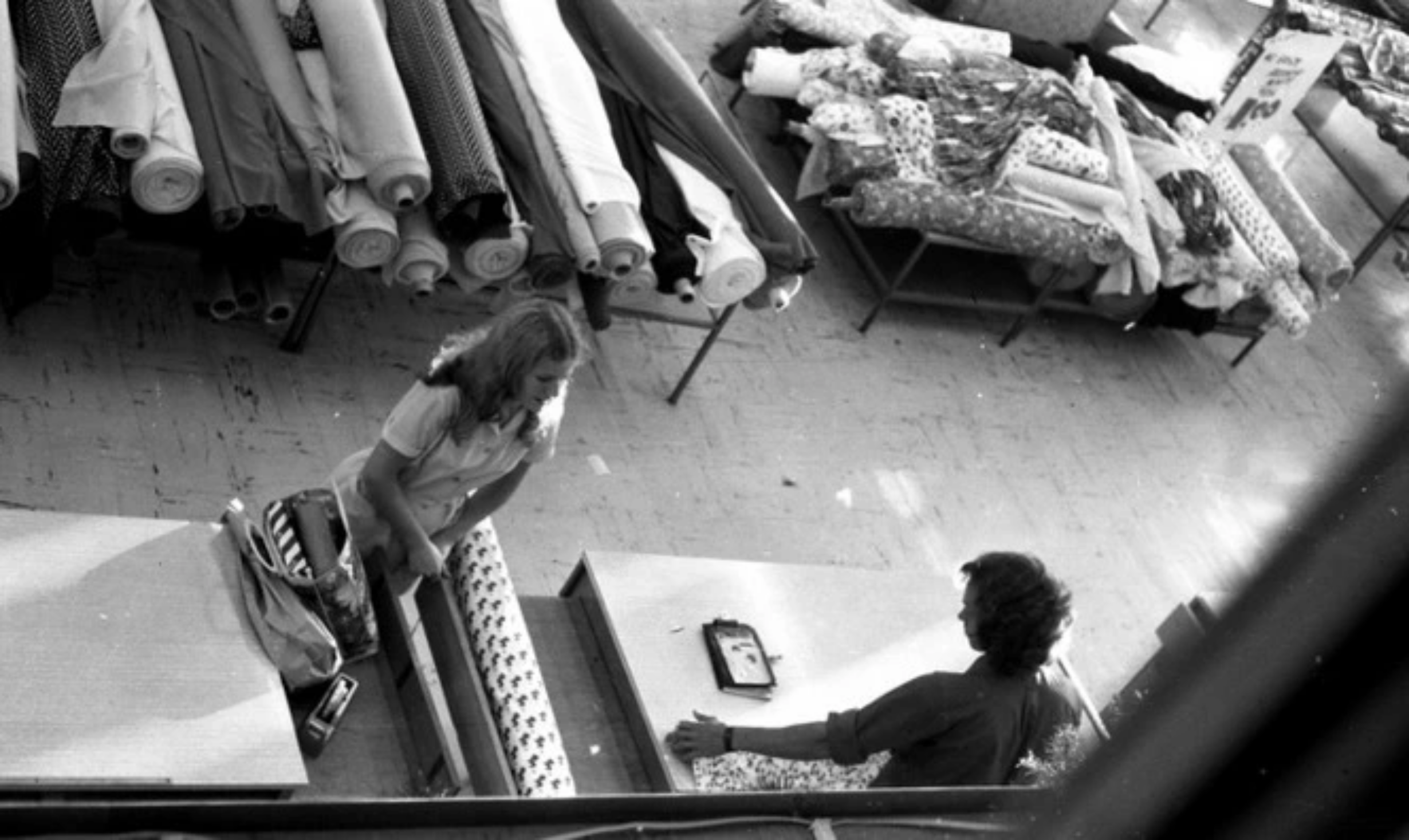
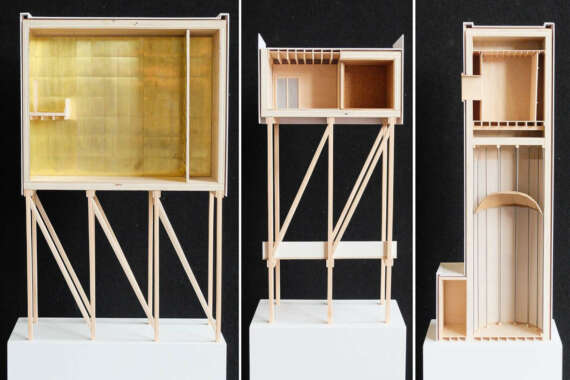
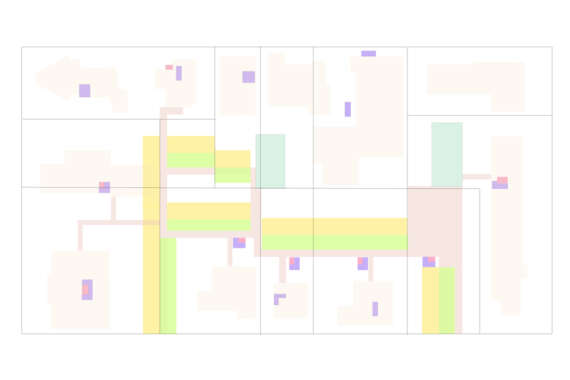
The new Smith and Caugheys takes on the modern library model exhibiting workshops, maker-spaces, archives, kids spaces, study spaces and an open ground floor. Circulation is then used to connect the building through a central atrium, inviting users to ascend through the building.