Marapiu Kāinga Tūturu: Answering the call to return home
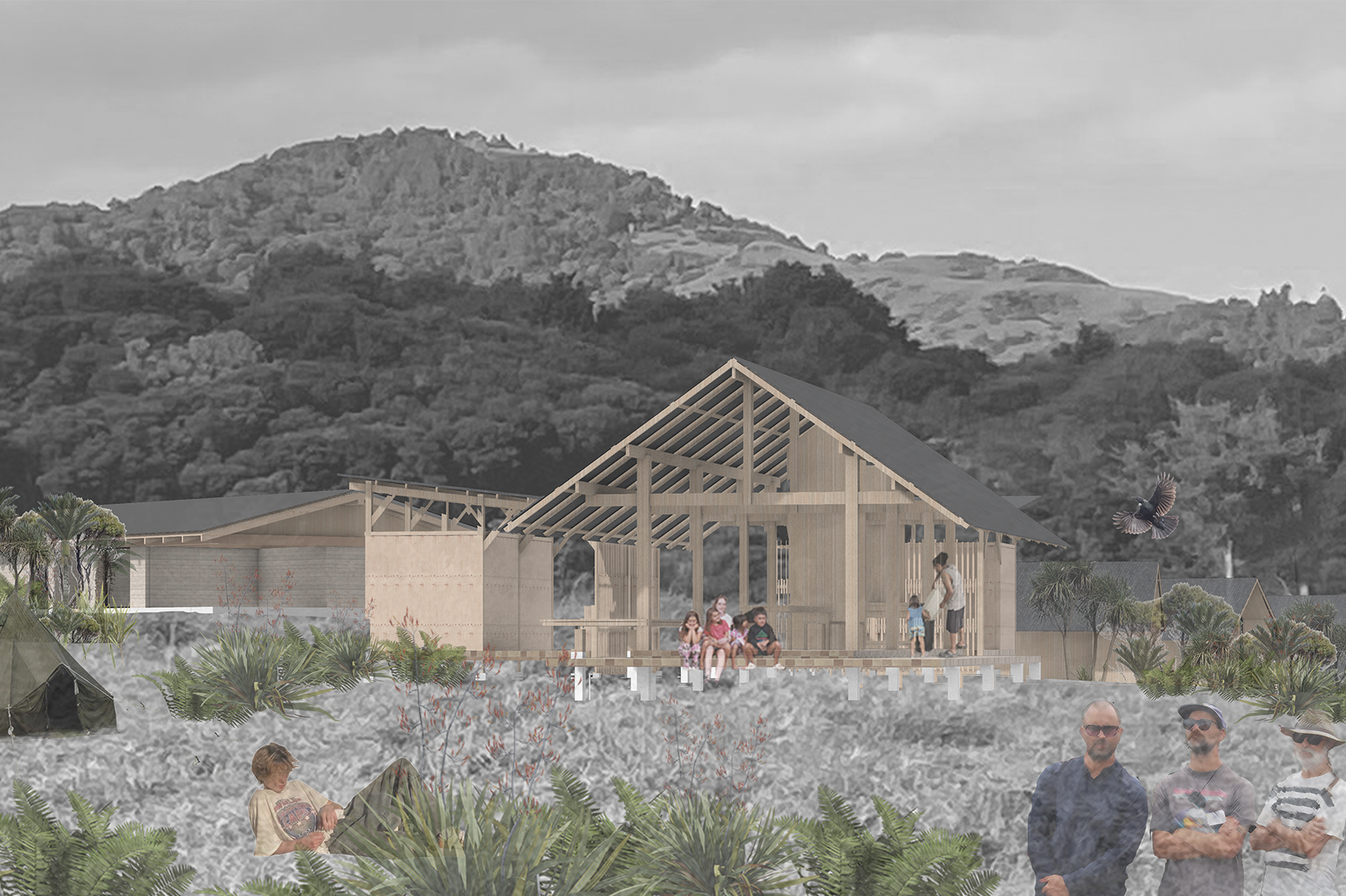
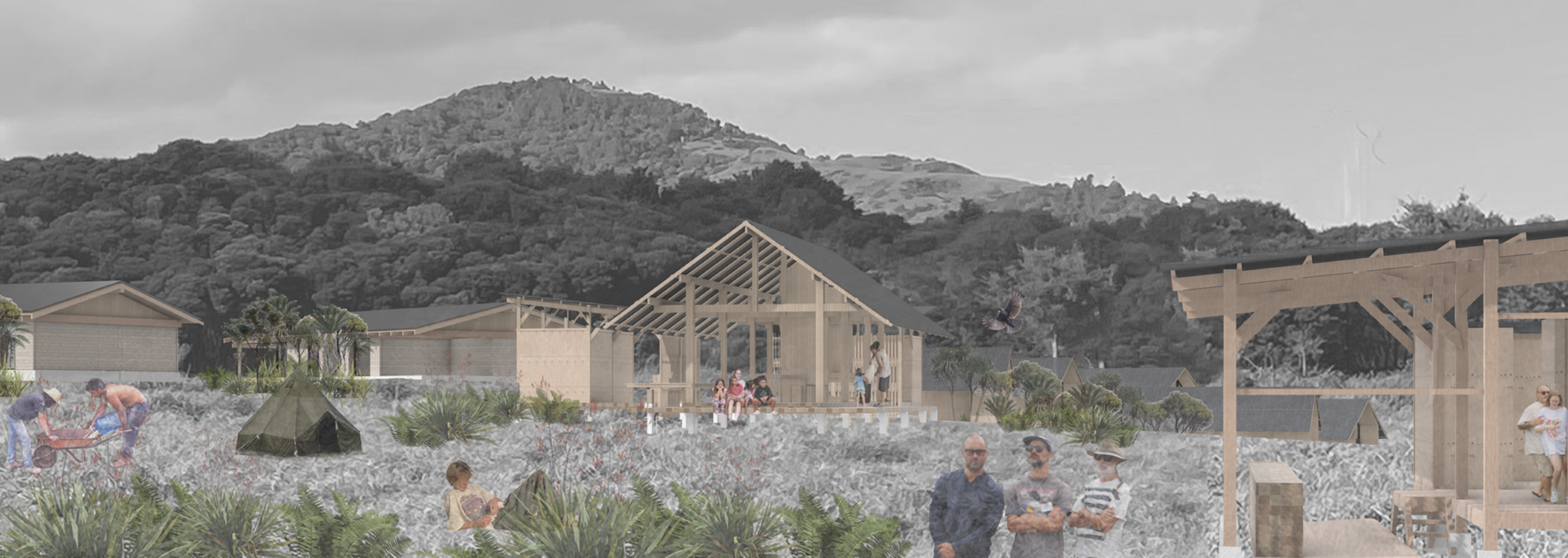
Intro Image 1676px by 1116px Money Shot

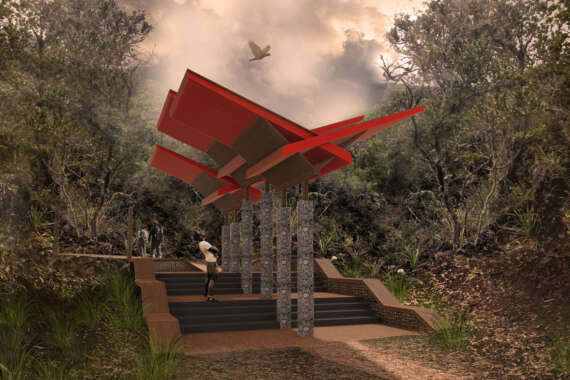
Amidst the rising tide of Māori architecture, contemporary papakāinga are emerging as culturally grounded responses to Aotearoa’s housing and cost of living crisis. In urban, rural, or semi-rural settings such as Northland, papakāinga represent a return to collective living, reconnecting whānau with ancestral land while addressing issues of affordability and sustainability. Yet, modern papakāinga replicate urban housing typologies that separate the built form from te taiao, fragmenting opportunities to live in harmony with the natural environment. 

This thesis explores the development of a papakāinga typology for Te Roroa in Northland, one that embodies mana motuhake, intergenerational living, and reconnection to ancestral land. Structured around the thesis title Marapiu Kāinga Tūturu: Answering the Call to Return Home, the research is organised into three interwoven themes: whakapapa: the layering of place and people; housing histories: from early Māori settlement to papakāinga; and innovation potential: developing whakapapa-based typologies. 
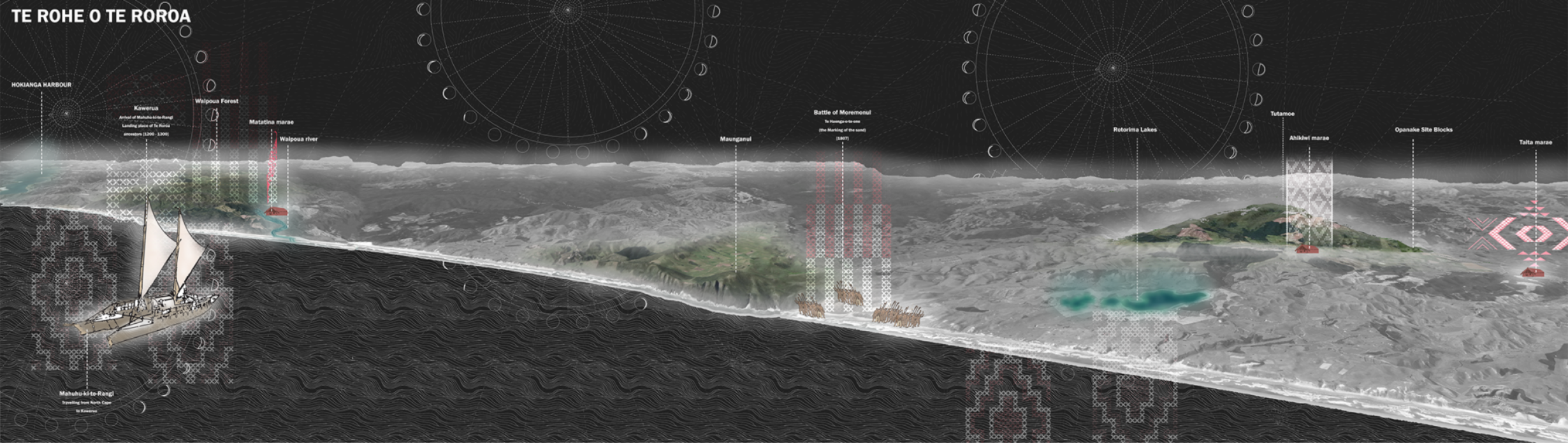
Full Width Media 2460 px wide Rohe Map
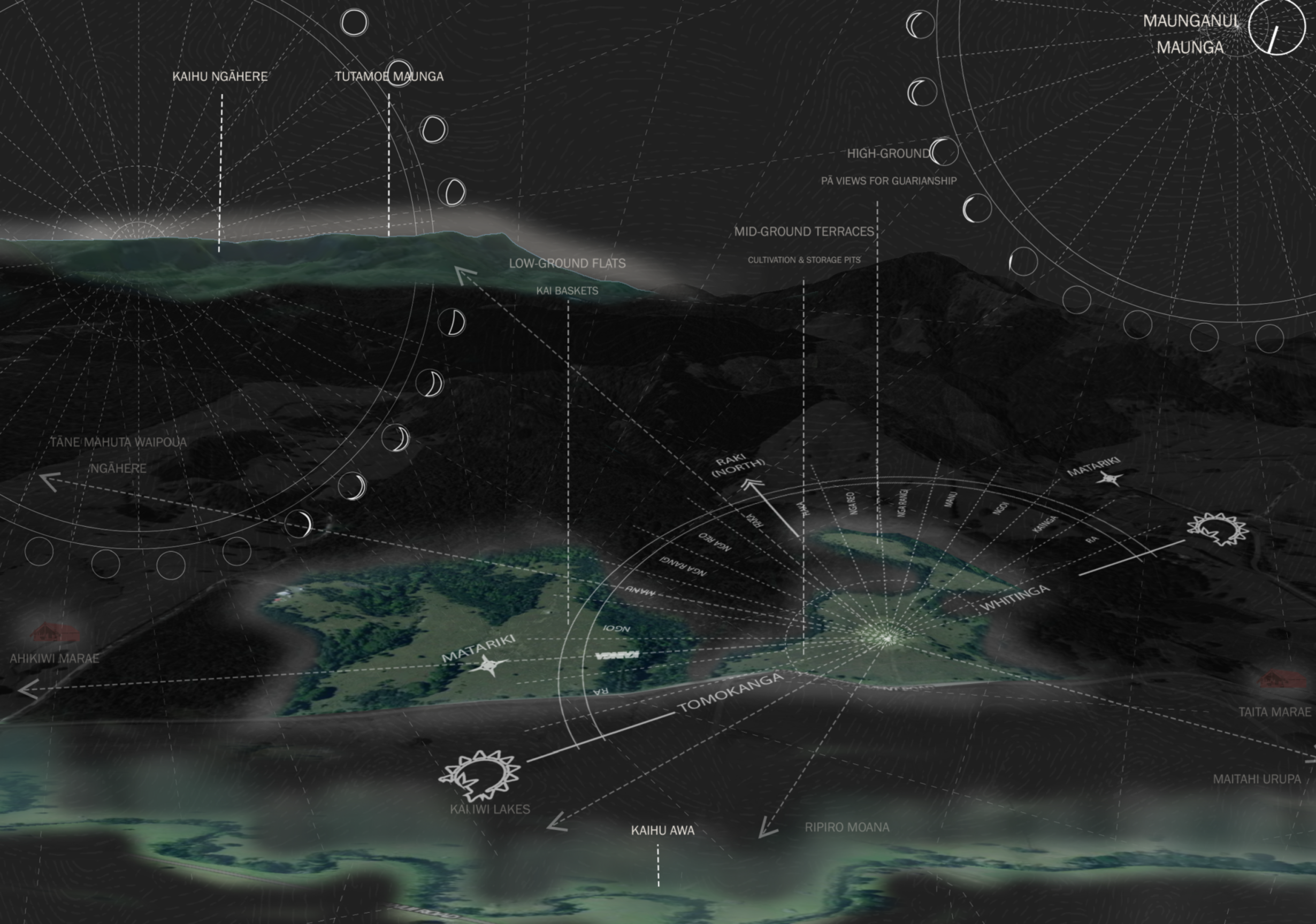
Full Width Media 2460 px wide Wahi Map
MAPPING WĀHI
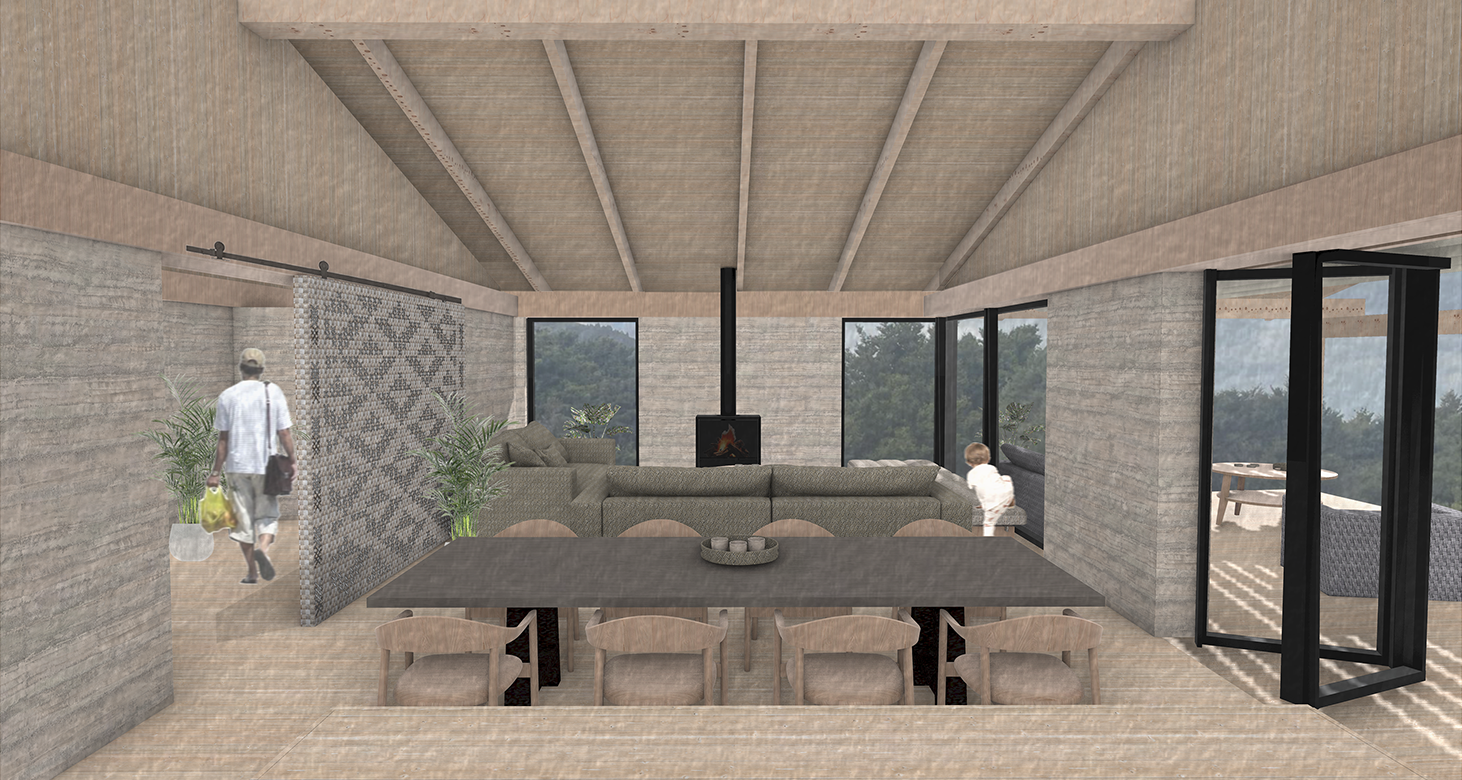
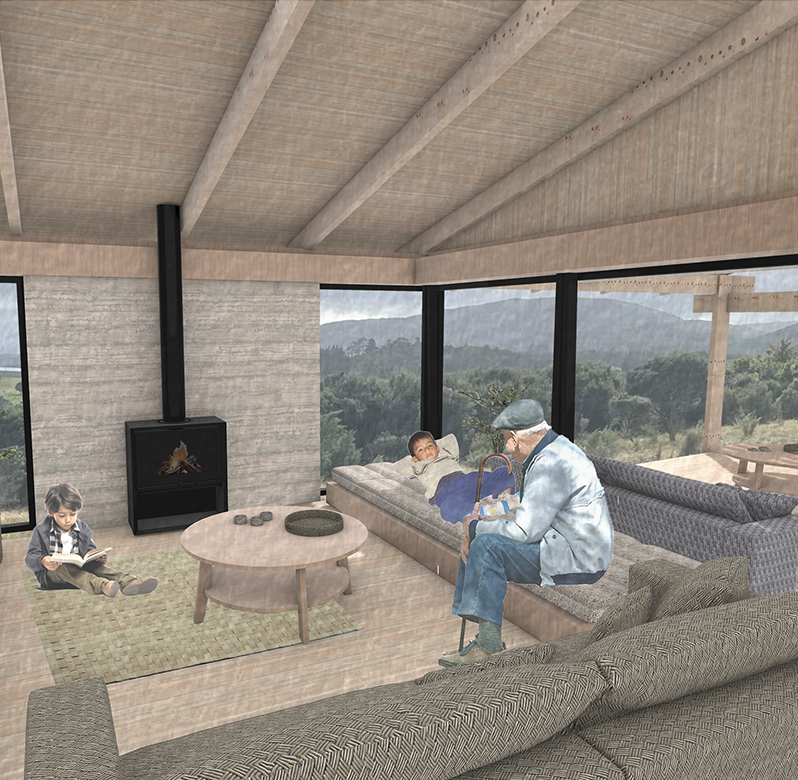
1462 px wide Left aligned media Interior Lounge
OPEN PLAN WHĀNAU ROOM
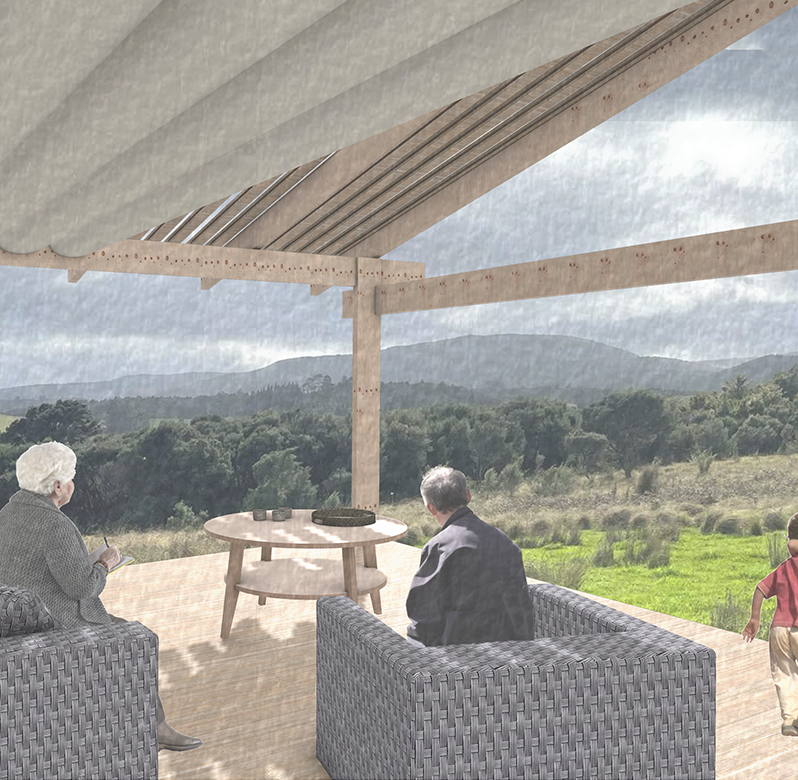
Right Item 798px Outdoor Seat
OUTDOOR LIVING SPACE
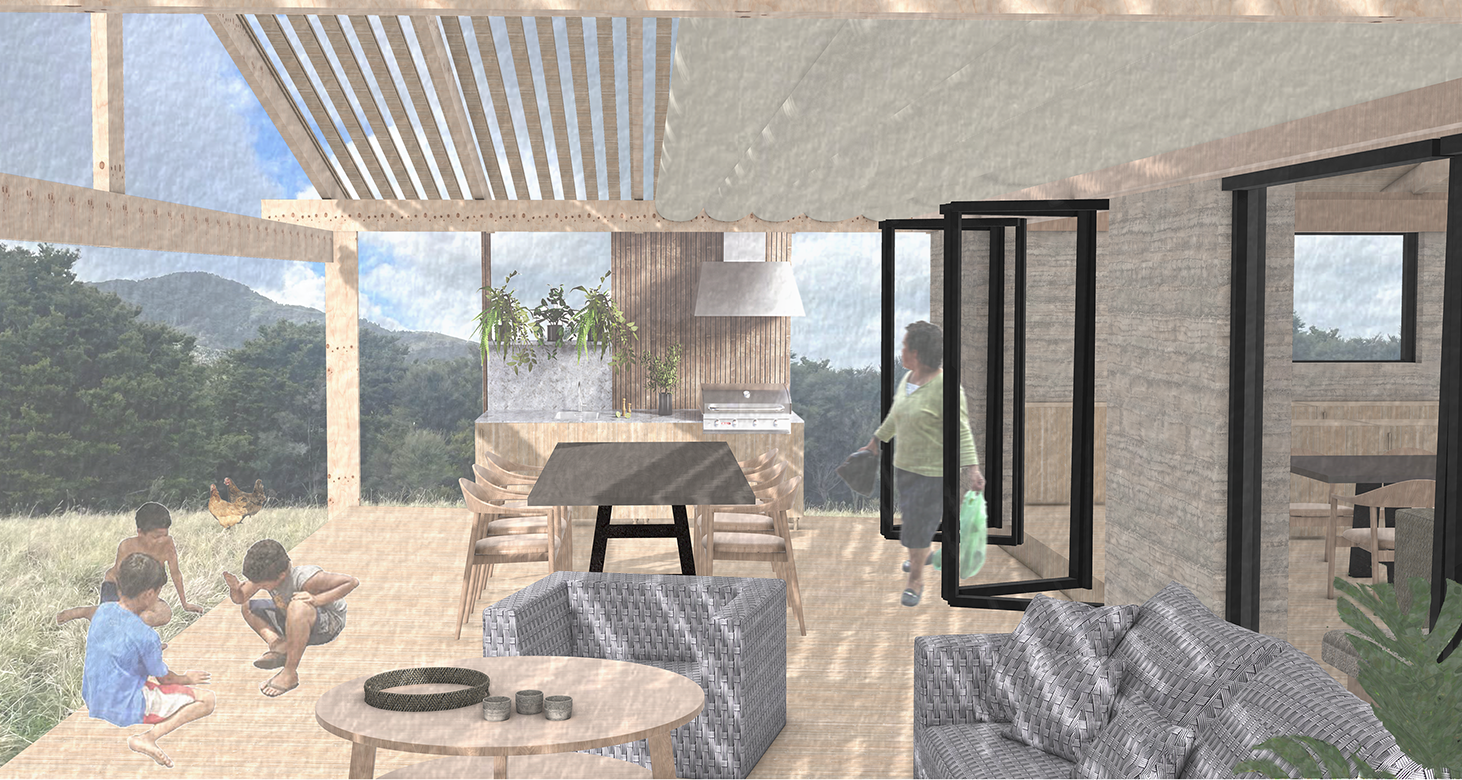
1462 px wide Left aligned media Outdoor Kitchen
OUTDOOR COOKING & DINNING
Right Item 798px Window Seat
WHĀNAU ROOM VIEWS TO TUTAMOE
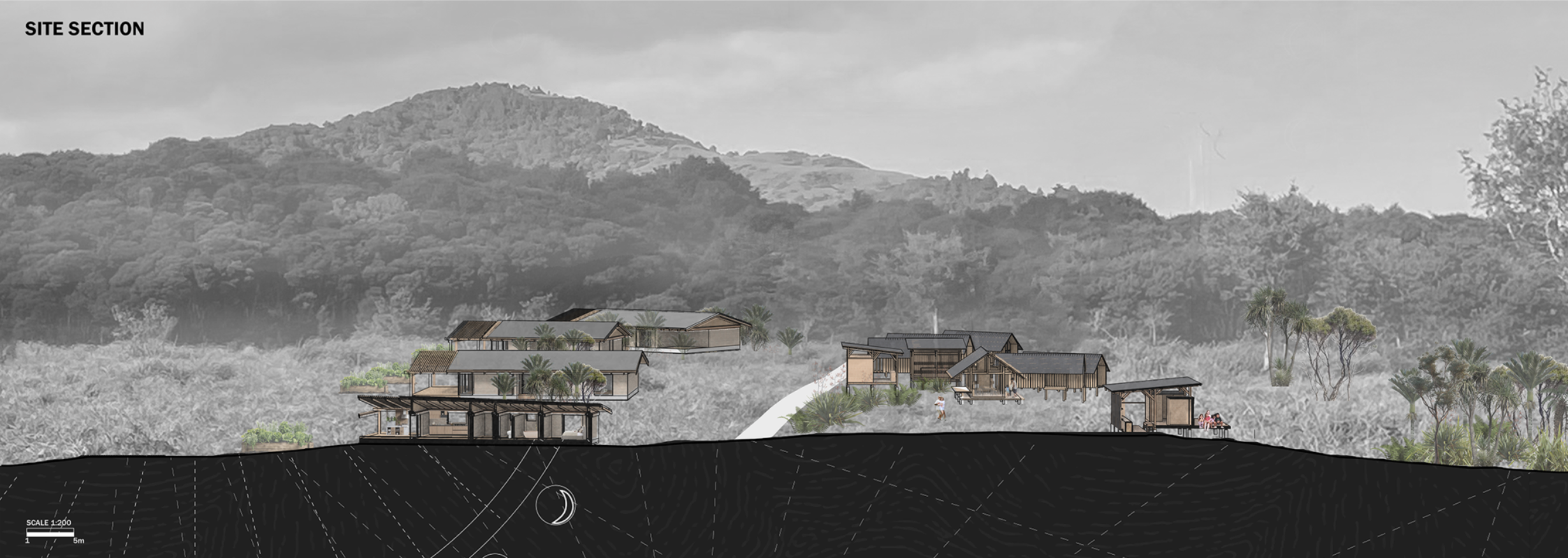
Full Width Media 2460 px wide Site Section
Full Width Media 2460 px wide Money Shot

Through Indigenous knowledge systems and mātauranga Māori, the thesis positions whakapapa as a design framework that responds to contemporary challenges of the Anthropocene, reframing sustainability through reciprocal relationships with te taiao. Research into historic and contemporary Māori housing demonstrates the themes of collective and land-based living, from whare puni and pā to today’s papakāinga. Finally, design-led inquiry explores how whenua Māori can be utilised through material narrative that work within the realms of Tāne and Papatūānuku, embedding whakapapa directly into tectonics.

The research question asks: How can a taiao centred and whakapapa-based design framework investigate a new papakāinga typology in Te Roroa, Northland? In answering, the thesis contributes a design framework that decolonises housing typologies, redefines papakāinga as vessels for cultural resilience, and advocates for sustainable, land-based living in Aotearoa. Applying papakāinga living strengthens the reciprocal relationship between people and te taiao, honouring the narratives of whenua and whānau.

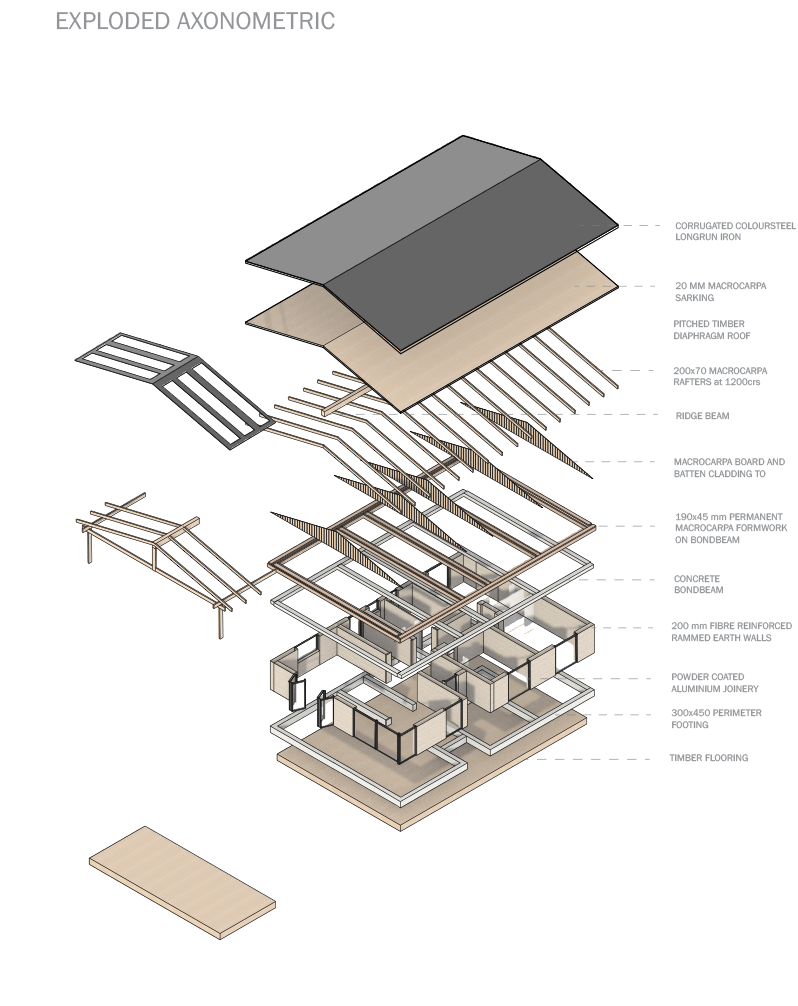
Right Item 798px Whare Axo