Through Gloom & Glory: An Architectural Translation of Walter Miller's A Canticle for Leibowitz
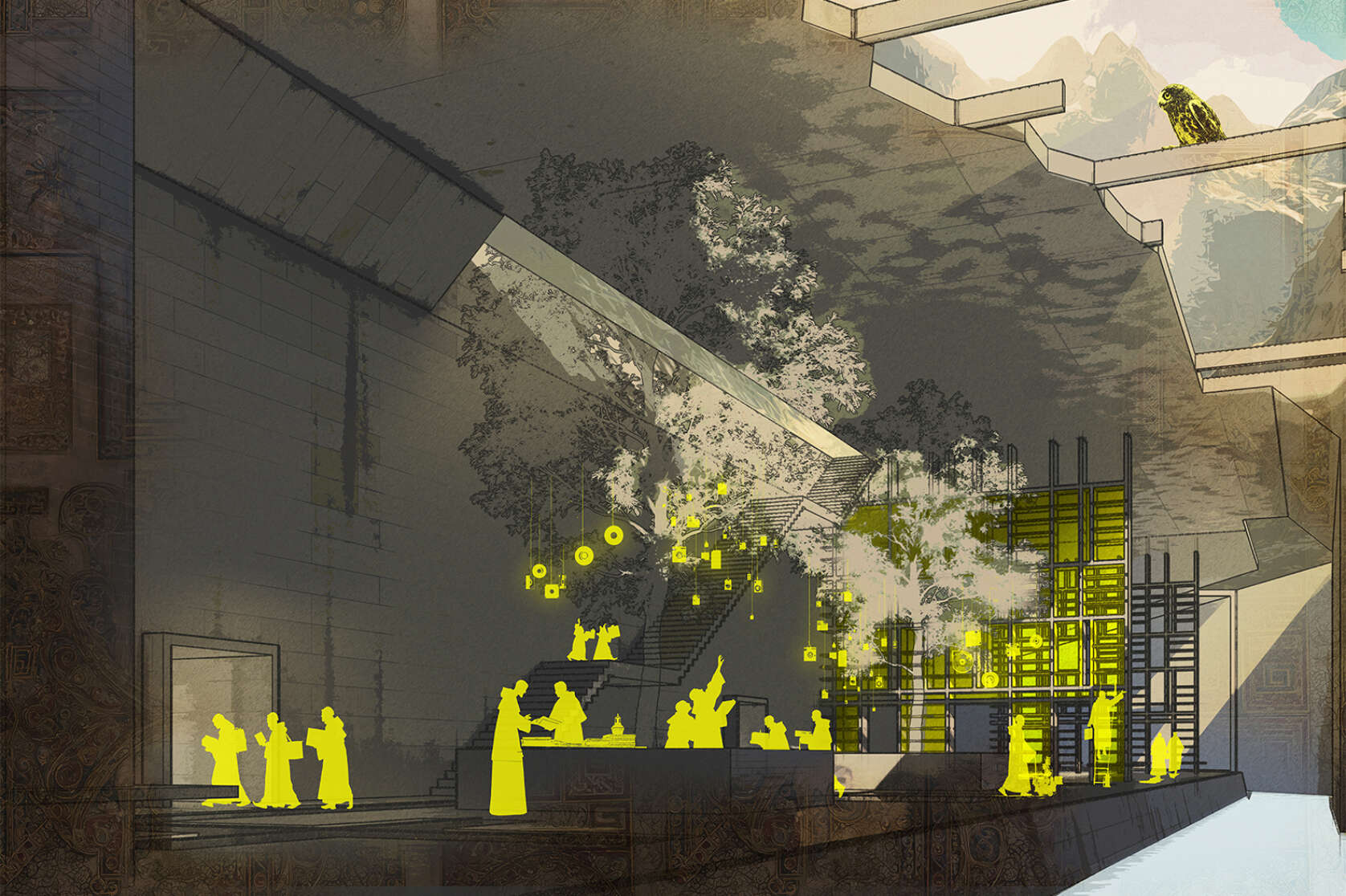
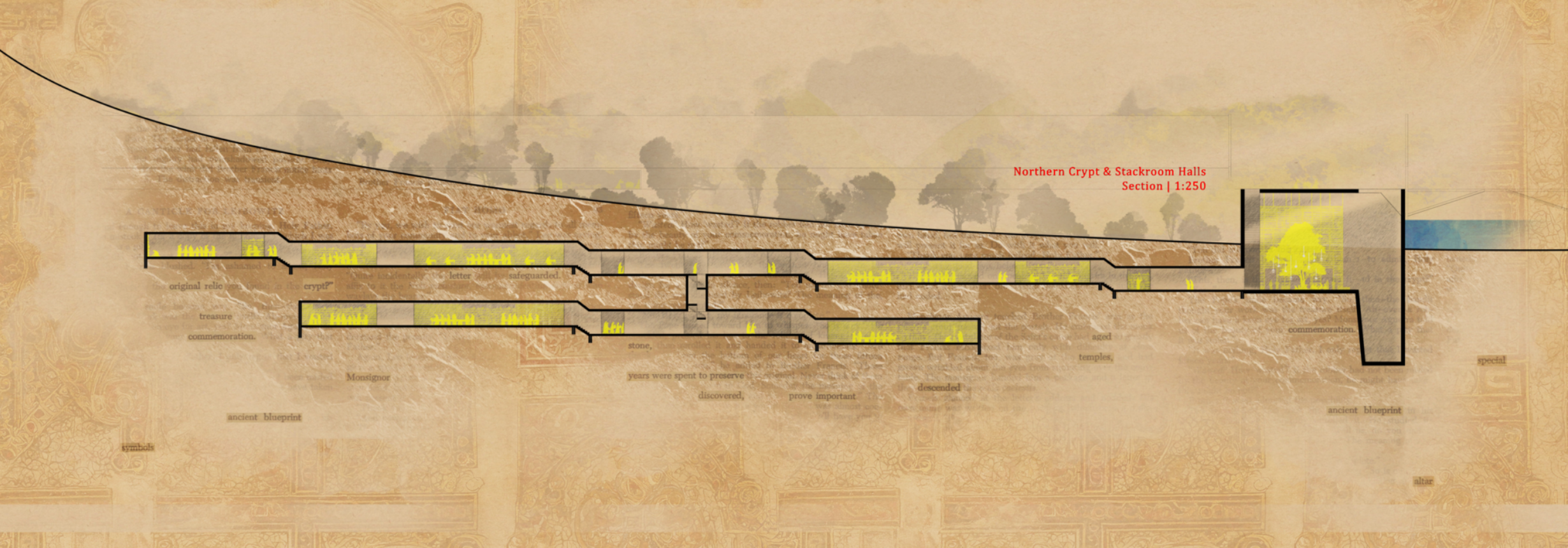
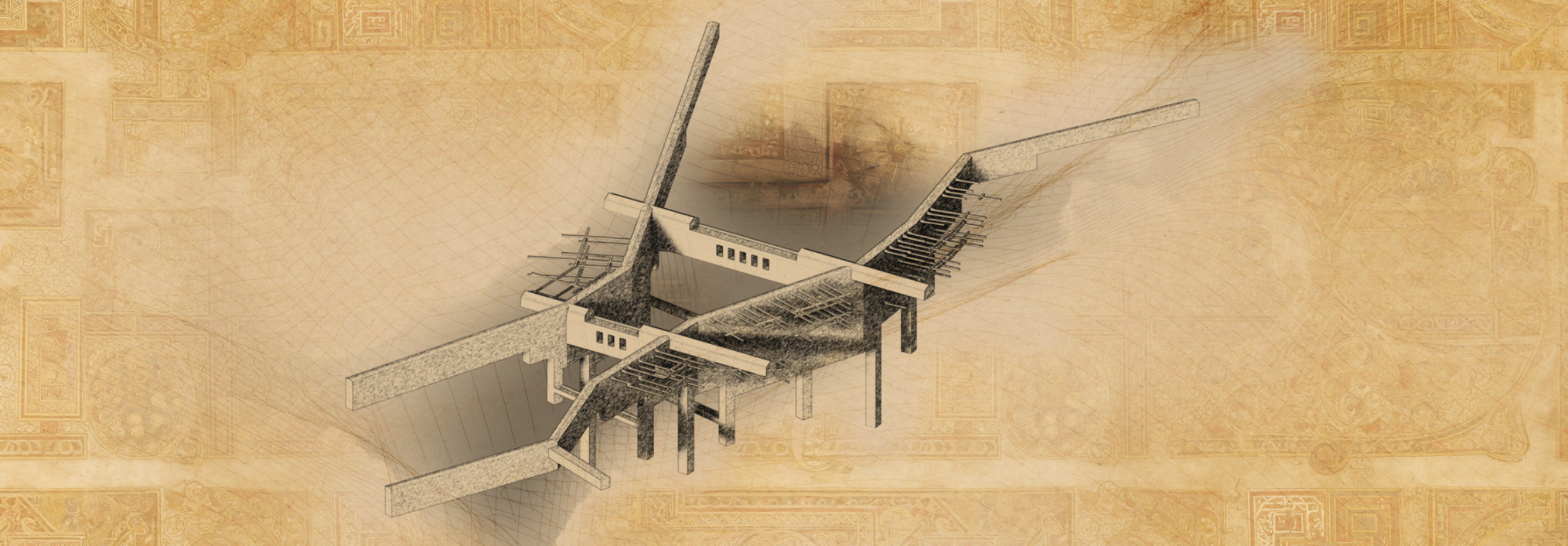
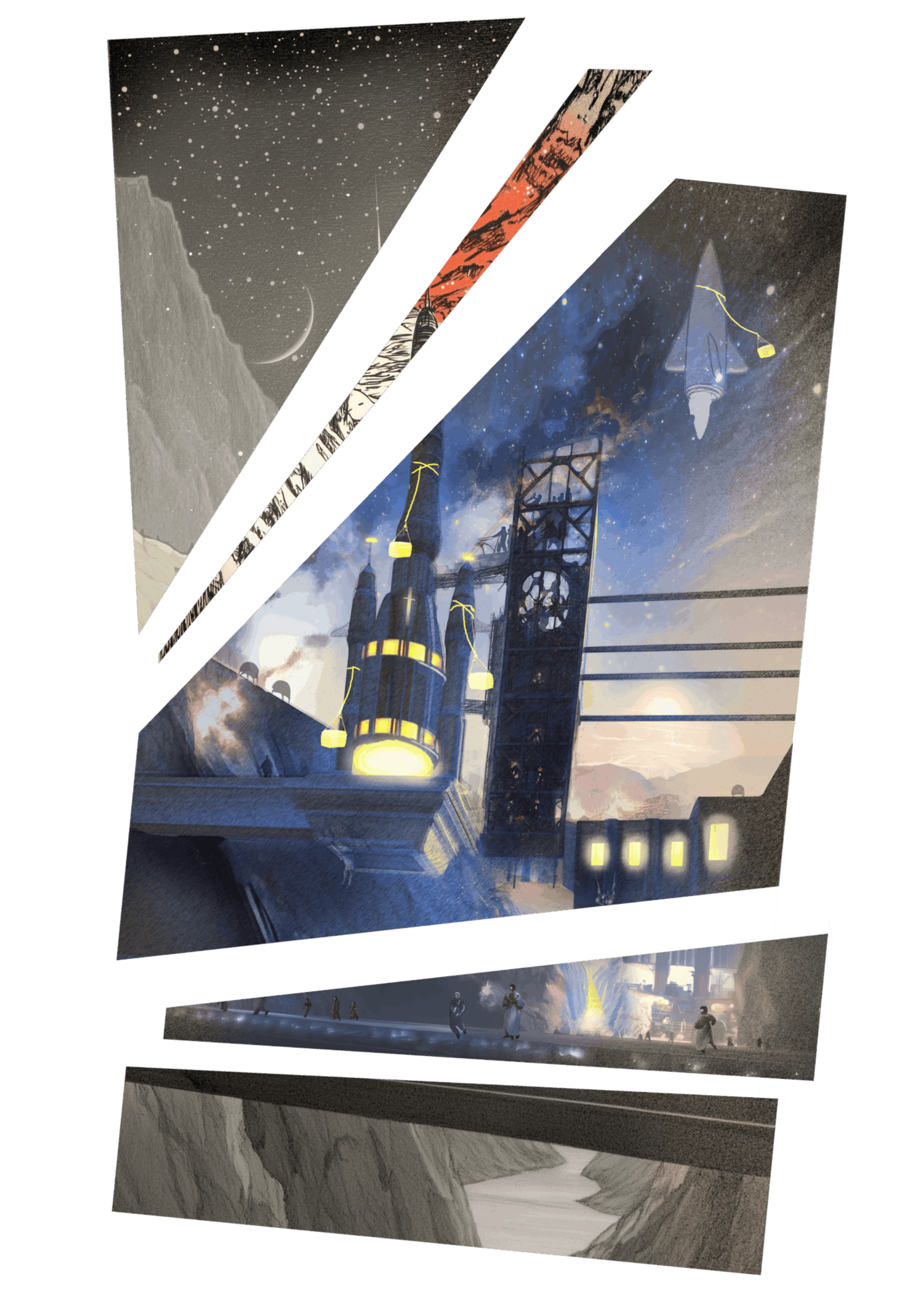
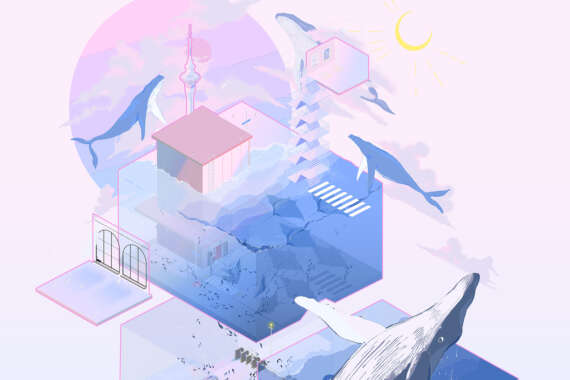
This thesis explores a five-part science-fiction narrative for an expanding monastery and archive facility hidden in New Zealand’s South Island after a future nuclear disaster.
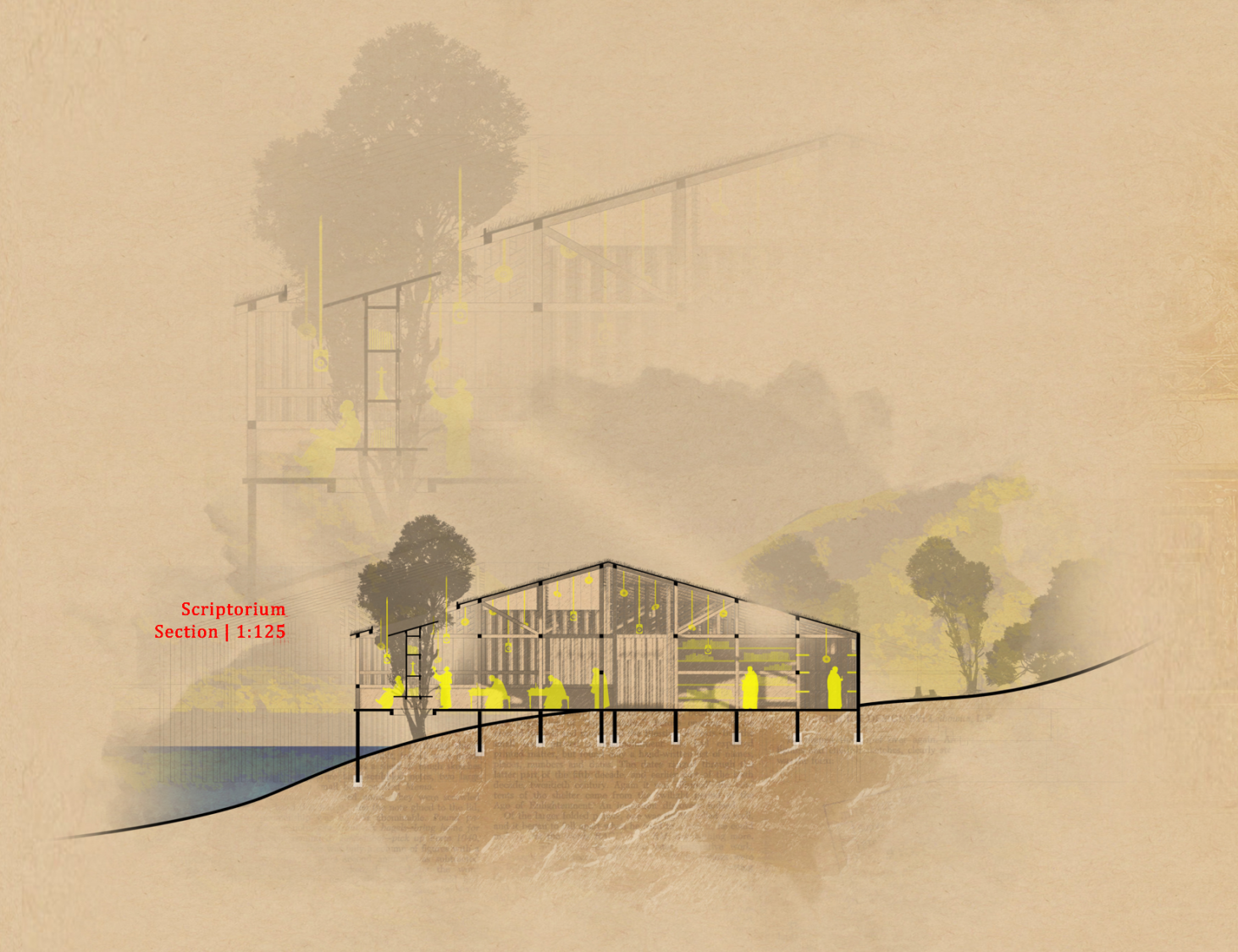
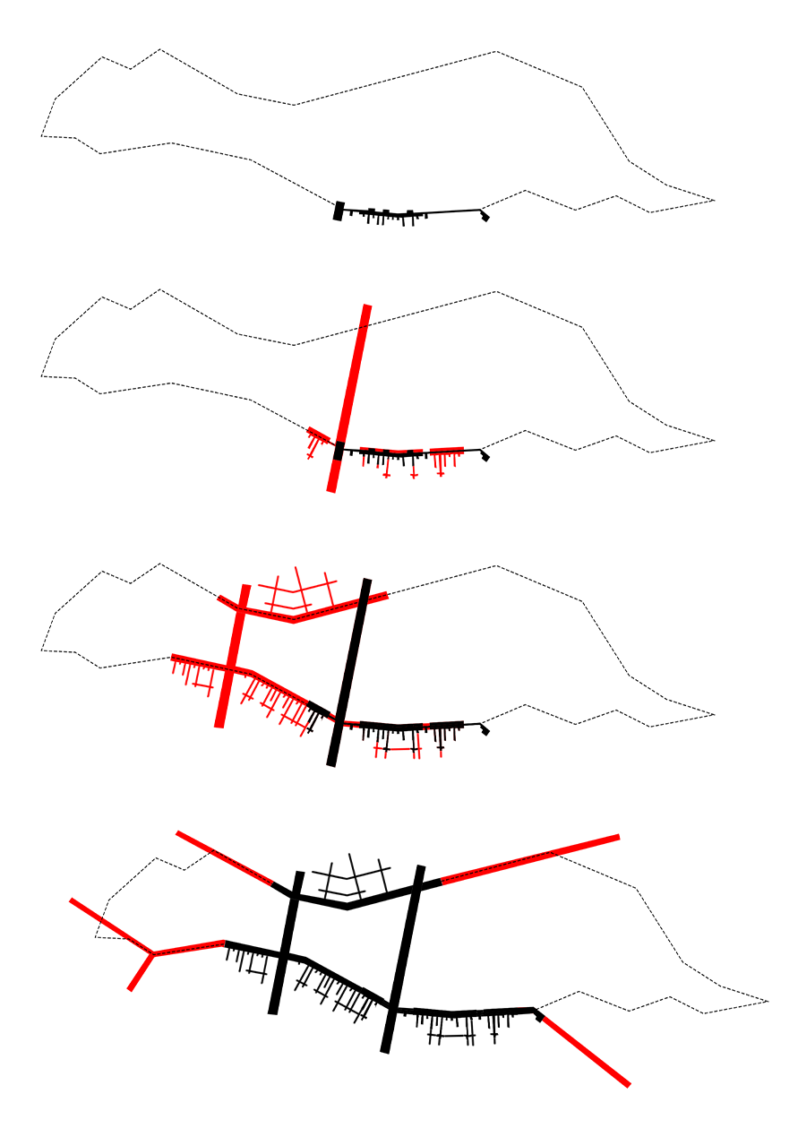
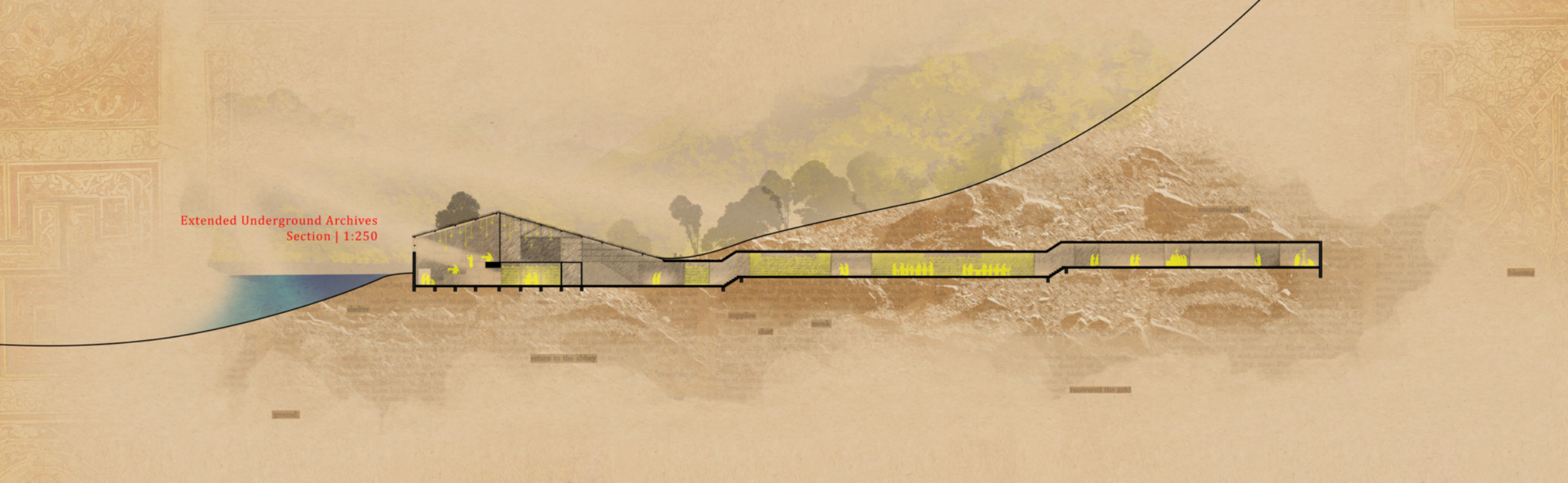
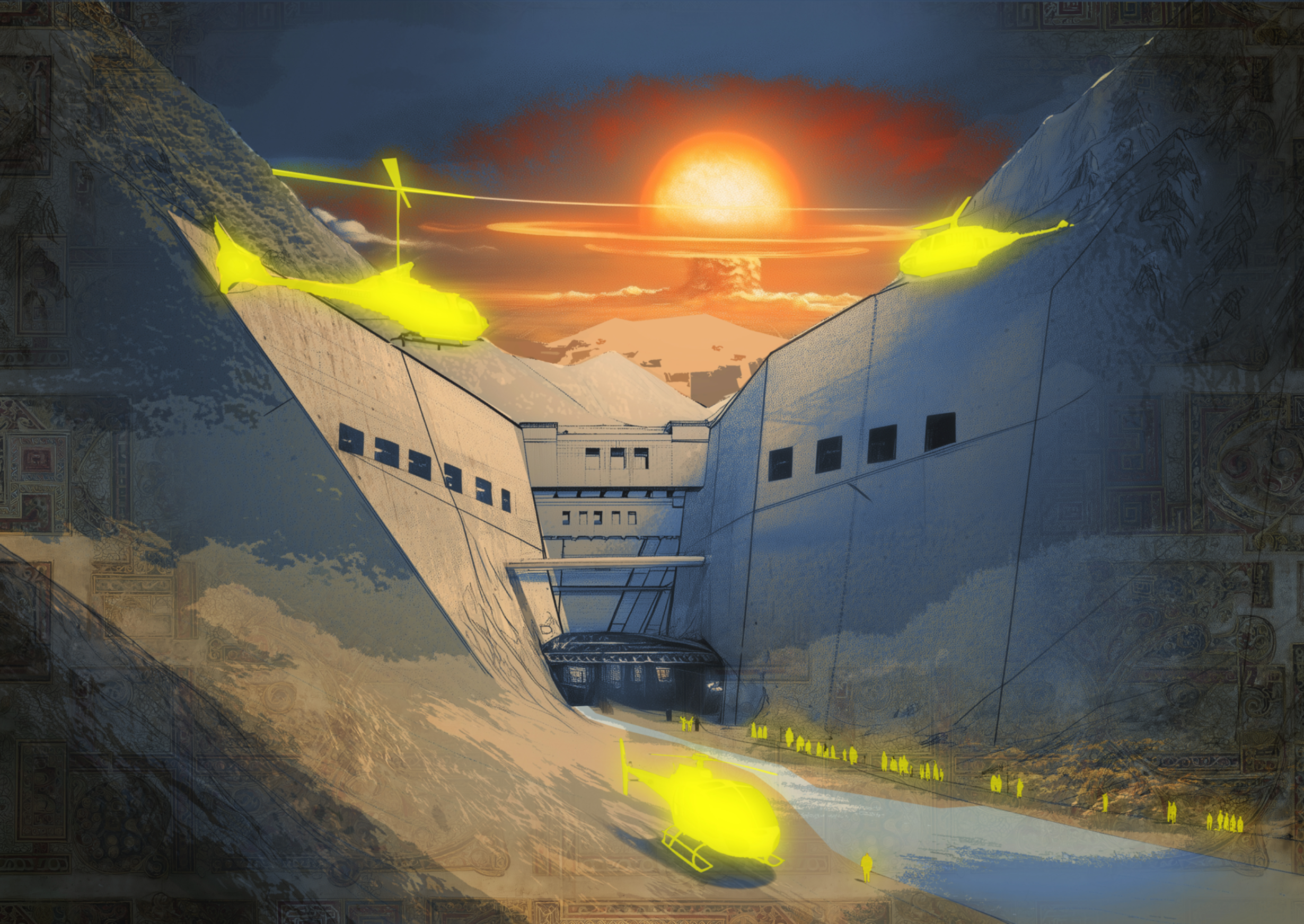
This design-research explores the aesthetics of the technological sublime using the methods of science-fiction storytelling and visionary architecture. Images depicted in science fiction often express creators anxieties about large-scale technological destruction on society. The project draws from Walter Miller's science-fiction novel A Canticle for Leibowitz—where monks preserve remnants of knowledge after a nuclear catastrophe—and reinterprets the book's parable for civilisation destroying and rebuilding itself through five architectural moments. Each moment represents the technological expansion of an archive set progressively further into the future and becoming increasingly visionary and speculative, aligning with the design traditions of Lebbeus Woods, Étienne-Louis Boullée, and Liam Young, which are all heavily associated with science fiction and the technological sublime.
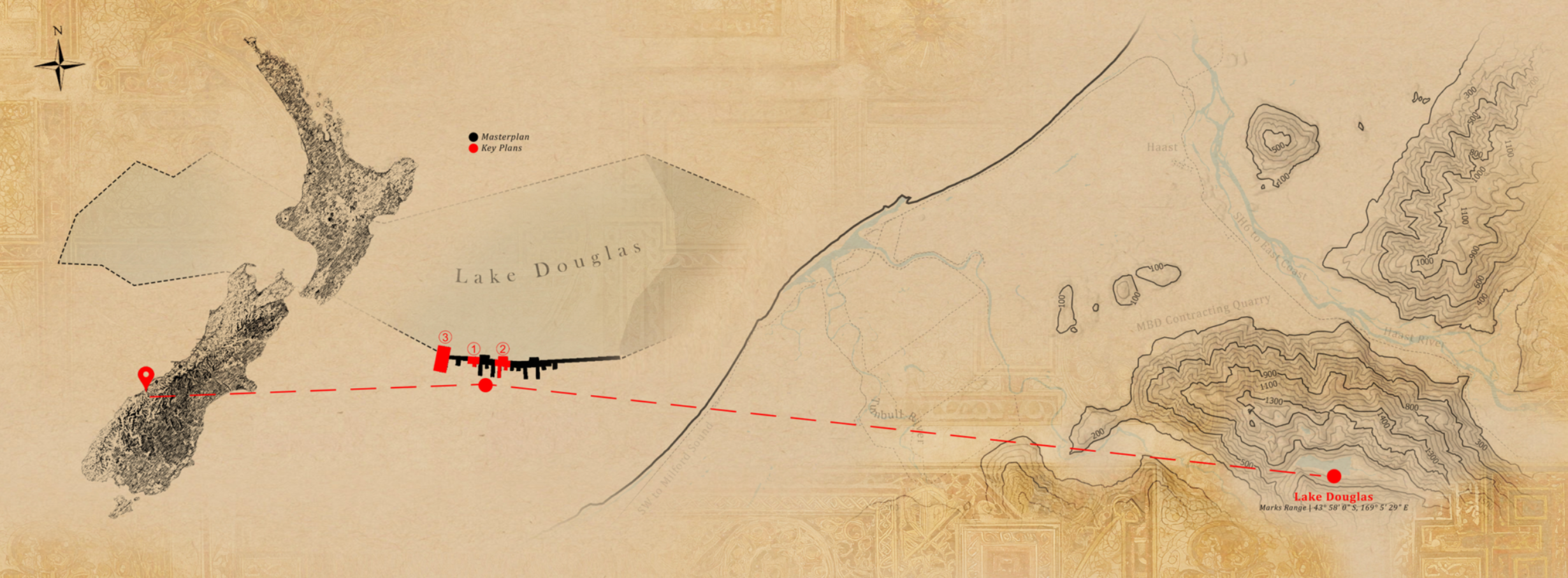
The setting shifts away from the novel's American deserts to Lake Douglas in New Zealand's precious West Coast, allowing the design propositions to engage with the great mountains to evoke the natural and technological sublime, while also alluding to contemporary discussions of New Zealand’s image as a refuge from nuclear disaster elsewhere, providing a basis for architectural thinking that poses the archive as an imaginative response in this hypothetical future.